Archive for the ‘Christmas’ Category
“God Promises A Suffering Servant!”
Filed under: Bible, By Richard Andrews, Christian Living, Christianity, Christmas, Church, Discipleship, Evangelism, Faith, GCI Windsor Mill, Maryland, God, God Father Son and Spirit, God the Trinity, God's love, good news, Gospel, Grace Communion Baltimore, Grace Communion International, identity in Christ, Inclusion, Jesus Christ, Love, Ministry, New Life Fellowship Of Baltimore Maryland, New Life Fellowship Of Windsor Mill, MD., On Mission with Christ, Participation with Christ, Participation with Jesus, Pentecost, Perichoresis, Prayer, relationship with God, Relationships, Resurrection, Sermons, The Church, The Dance and Dream of the Trinity, The Father, Son and Holy Spirit, The Gospel Project, The Holy Spirit, The Plan of Adoption, Timothy Brassell, Trinity, Uncategorized, union, Union In Christ, Union with Christ, Witness, Witnessing to God, Witnessing to Jesus, Worship, Worshiping God, Worshipping Jesus | Tags: Adoption, Basic Christian Doctrine, Being In God's Family, Christian Faith, Christian Living, Christianity, Church, Faith, Follow The Servant, GCI Baltimore, God With Us, God's Promise, God's Faith, God's Grace, God's love, Gospel, Gospel Witness, Grace Communion International, Grace upon Grace, Having The Peace Of God, How God Reveals Himself, Humanity Revealed, Humanity Revealed In Jesus, Isaiah 52-53, Jesus, Knowing The Father's Love, Life's meaning and Significance, Love, New Life Fellowship Baltimore MD, New Life Fellowship Of Baltimore Maryland, Not Alone, Relationships, Revealing Your Life's Purpose, Sharing God More Accurately, Sharing In God's JOy, Sharing In God's Laughter, Sharing In The Divine Nature, Substitutionary Love, Suffering Servant, The Basic Christian Belief, The God Who Is Love, the reason for your existence, Timothy Brassell of New Life Fellowship, Trinitarian Theology, Trinity, Understanding God, Understanding Human Beings, Understanding Life's Calling, Who Is God?, Who Is Jesus?
 Leave a comment
Part A:
Part B:
Full Message:
Scripture: Isaiah 52 – 53 (CSB)
Summary:
In this powerful message, Pastor Richard Andrews led us into Isaiah’s powerful vision of the Suffering Servant, a vision that refuses to separate suffering from salvation or pain from God’s redemptive purpose. Isaiah 52–53 reveals that deliverance would not come through dominance or spectacle, but through humble obedience, costly love, and a Servant who willingly bears the weight of the world’s sin and sorrow.
Isaiah confronts our expectations of what a Savior should look like. We often look for strength that is visible and triumphant. Instead, God reveals a Servant who is despised and rejected, acquainted with grief, and silent before His accusers. This Servant does not avoid suffering; He enters it fully. He does not merely sympathize with human pain. He carries it.
At the heart of this prophecy is substitution. What belongs to us, our sin, sickness, rebellion, and shame, is placed upon Him. The punishment that should have fallen on us, falls on the Servant instead, and through His wounds, healing comes. As J. C. Ryle writes:
“Christ has stood in the place of the true Christian. He has become his Surety and his Substitute. He undertook to bear all that was to be borne, and to do all that was to be done, and what He undertook He performed.”
The suffering of Christ is not an accident or a failure. From the beginning, Father, Son, and Holy Spirit purposed salvation through self-giving love. Rather than demanding payment from humanity, God Himself bears the cost.
Isaiah also shows us how deeply personal this suffering is. The Servant knows rejection, loneliness, injustice, sickness, silence, and grief. He understands the groaning that comes when words fail and prayer feels impossible. No human pain lies outside His experience, and no suffering endured in faith is suffered alone.
Yet the prophecy does not end in despair. The Servant who is crushed is also the Servant who prospers. Through His anguish, many are made righteous. God weaves utter bleakness into ultimate victory, showing that suffering and glory are not opposites, but mysteriously joined in the redemptive work of Christ.
John Stott captures this great reversal with clarity:
“For the essence of sin is man substituting himself for God, while the essence of salvation is God substituting himself for man.”
This is the heart of Isaiah 53. Humanity insists on living life on its own terms, resulting in chaos and death. God responds not with condemnation, but with substitution, taking our place so that we might receive His life.
For those who follow Jesus, this vision reshapes how we understand our own suffering. Pain is no longer evidence of God’s absence. In Christ, suffering is neither meaningless nor ultimate. Because Jesus’ work is finished, our suffering is held within the promise of resurrection and joy.
This sermon calls the church not merely to admire the Suffering Servant, but to follow Him, joining Christ in His reconciling work in a world marked by pain, trusting that even in suffering, God is at work.
Key Themes and Reflection Questions:
1. God’s Promised Suffering Servant 🩸🐑
Theme: Salvation comes through a Servant who willingly suffers rather than through human power or dominance.
Discipleship Question: How does seeing Jesus as the Suffering Servant reshape my faith?
#SufferingServant #Isaiah53 #GodsPromise
2. Substitution: Sin Transferred, Mercy Given ⚖️❤️
Theme: Jesus bears our sin and punishment so that we may receive peace, healing, and forgiveness.
Discipleship Question: What am I still carrying that Jesus has already carried for me?
#SubstitutionaryLove #GraceUponGrace
3. Rejected Yet Exalted 👑💔
Theme: The Servant’s rejection leads not to defeat, but to exaltation and victory.
Discipleship Question: Where am I tempted to see suffering as failure rather than trust God’s work?
#ServantKing #HopeInSuffering
4. Jesus Present in Our Pain 👀✝️
Theme: Jesus knows human suffering personally and meets us within it.
Discipleship Question: Am I inviting Jesus into my pain, or trying to carry it alone?
#GodWithUs #NotAlone
5. Called to Follow the Servant 🌍🔥
Theme: Those who receive life through Christ are called to lives of service and faithful witness.
Discipleship Question: How is God inviting me to participate in His reconciling work?
#FollowTheServant #GospelWitness
A Reflective Moment:
Isaiah invites us to look again, not at our suffering first, but at Christ. The Servant does not stand apart from human pain. He enters it, carries it, and redeems it.
Whatever burdens you bring today, known or unspoken, they are not foreign to Him. He has borne grief, carried sorrow, and taken upon Himself. What we could not heal or undo. Hold this truth quietly: your suffering is seen, your life is valued, and nothing you endure is outside the saving work of Jesus Christ
“God With Us: Hope, Peace, Joy, and Love!”
Filed under: Advent, Bible, By Pastor Timothy, By Tim Brassell, By Timothy Brassell, Christian Living, Christianity, Christmas, Church, Discipleship, Evangelism, Faith, GCI Windsor Mill, Maryland, God, God Father Son and Spirit, God the Trinity, God's love, good news, Grace Communion Baltimore, Grace Communion International, identity in Christ, Inclusion, Jesus Christ, Liturgy, Love, Ministry, New Life Fellowship Of Baltimore Maryland, New Life Fellowship Of Windsor Mill, MD., On Mission with Christ, Participation with Christ, Participation with Jesus, Pentecost, Perichoresis, Prayer, relationship with God, Relationships, Resurrection, Sermons, Song, Spiritual Warfare, The Church, The Dance and Dream of the Trinity, The Father, Son and Holy Spirit, The Gospel Project, The Holy Spirit, The Plan of Adoption, Timothy Brassell, Trinity, Uncategorized, union, Union In Christ, Union with Christ, Witness, Witnessing to God, Witnessing to Jesus, Worship, Worshiping God, Worshipping Jesus | Tags: 1 John 4:8, 1 John 4:9, Adoption, Basic Christian Doctrine, Being In God's Family, Christian Faith, Christian Living, Christianity, Christmas, Church, Faith, GCI Baltimore, God Who Is Always Near, God's Faith, God's Grace, God's love, Gospel, Grace Communion International, Having The Peace Of God, Hope, How God Reveals Himself, Humanity Revealed, Humanity Revealed In Jesus, Isaiah 9:6, Jesus, joy, Knowing The Father's Love, Life's meaning and Significance, Love, New Life Fellowship Baltimore MD, New Life Fellowship Of Baltimore Maryland, Peace, Relationships, Revealing Your Life's Purpose, Romans 8:22-23, Sharing God More Accurately, Sharing In God's JOy, Sharing In God's Laughter, Sharing In The Divine Nature, The Basic Christian Belief, The God Who Is Love, the reason for your existence, Timothy Brassell of New Life Fellowship, Trinitarian Theology, Trinity, Understanding God, Understanding Human Beings, Understanding Life's Calling, Who Is God?, Who Is Jesus?
Leave a comment Christmas Reveals The God Who Is Always Near

As Christmas approaches, many of us are not longing for more celebration, we are longing for relief. December often arrives with exhaustion. Schedules fill up, spending piles on, emotions run close to the surface, and even the gatherings we hope will bring connection can carry tension and unspoken strain. We rush toward one day of joy, only to feel strangely empty, tired, or deflated when it passes.
For many, this season doesn’t feel light or magical. It feels heavy. We carry grief, disappointment, unresolved relationships, financial pressure, and the sense that nothing quite goes the way we planned. Beneath the lights and songs, there can be a quiet cloud of weariness, sadness, and confusion.
Scripture does not ignore this reality. It names it honestly:
Romans 8:22–23 (CSB) “For we know that the whole creation has been groaning together with labor pains until now. Not only that, but we ourselves who have the Spirit as the firstfruits—we also groan within ourselves, eagerly waiting for adoption, the redemption of our bodies.”
And yet, this is exactly the kind of season into which Advent speaks.
As Advent comes to its close, we have been formed week by week by hope, peace, joy, and love. These are not passing emotions or seasonal themes. They are names for what happens when God comes near. Christmas is not the story of God stepping in only when things go wrong. It is the declaration that God has always intended to be with us, in joy and in sorrow, in clarity and in confusion. In Jesus Christ, God does not merely respond to human need; He reveals who He has always been.
Scripture tells us plainly how this love is made known:
1 John 4:9 (CSB) “God’s love was revealed among us in this way: God sent his one and only Son into the world so that we might live through him.”
Hope is born not because the world suddenly improves, but because God has arrived. Peace is not the absence of conflict, but the presence of Christ. Joy is not the denial of suffering, but the deep assurance that life is held by God. Love is not something we create, but something we receive because God loved us first.
The Father, Son and Holy Spirit God define love for us. We do not define it ourselves.
As the apostle John declares: 1 John 4:8 (CSB) “God is love.”
1 John 4:16 (CSB) “God is love, and whoever remains in love remains in God, and God remains in him.”
These are not sentimental statements. They are theological declarations. They tell us that love is not merely what God does when circumstances demand it. Love is who God is. And Christmas represents the moment when that love takes flesh and dwells among us.
Theologian T. F. Torrance captures this truth beautifully: “God loves you so utterly and completely that he has given himself for you in Jesus Christ his beloved Son, and has thereby pledged his very being as God for your salvation.”— T. F. Torrance, The Mediation of Christ, p. 94.
This is the heart of Christmas: God does not give us something other than Himself. He gives Himself. His love is self-giving, faithful, and permanent.
In a world filled with uncertainty and noise, Christmas reminds us that the most serious reality in our lives is not the chaos around us, but the God who has come to dwell with us. God is not distant. God is not neutral. God is near and He is love.
Writing in the midst of a broken and violent world, Dietrich Bonhoeffer reminded the Church: “God loves human beings. God loves the world. Not an ideal human, but human beings as they are; not an ideal world, but the real world. What we find repulsive in their opposition to God, what we shrink back from with pain and hostility, namely real human beings, the real world, this is for God the ground of unfathomable love.”
A Reflection Moment:
Pause for a moment and consider this: God did not wait for the world to become peaceful and perfect before coming near. God did not wait for us to become joyful or loving before acting. Love arrived first.
Where do you need to stop striving and simply receive this love again?
What fear might be loosened if you trusted that God has already moved toward you?
This Christmas, rest in and enjoy the good news that the One who is our hope, peace, joy, and love has come near and He is here to stay.
“For a child will be born for us, a son will be given to us,
and the government will be on his shoulders.
He will be named Wonderful Counselor, Mighty God,
Eternal Father, Prince of Peace.”
“Joy To The World!”
Filed under: Advent, Bible, By Richard Andrews, Christian Living, Christianity, Christmas, Church, Discipleship, Evangelism, Faith, GCI Windsor Mill, Maryland, God, God Father Son and Spirit, God the Trinity, God's love, good news, Gospel, Grace Communion Baltimore, Grace Communion International, identity in Christ, Inclusion, Jesus Christ, Love, Ministry, New Life Fellowship Of Baltimore Maryland, New Life Fellowship Of Windsor Mill, MD., On Mission with Christ, Participation with Christ, Participation with Jesus, Pentecost, Perichoresis, Prayer, relationship with God, Relationships, Resurrection, Scripture Paraphrases, Sermons, The Church, The Dance and Dream of the Trinity, The Father, Son and Holy Spirit, The Gospel Project, The Holy Spirit, The Plan of Adoption, Timothy Brassell, Trinity, Uncategorized, union, Union In Christ, Union with Christ, Witness, Witnessing to God, Witnessing to Jesus, Worship, Worshiping God, Worshipping Jesus | Tags: Adoption, Basic Christian Doctrine, Being In God's Family, Christian Faith, Christian Living, Christianity, Church, Faith, GCI Baltimore, God's Faith, God's Grace, God's love, Gospel, Grace Communion International, Having The Peace Of God, How God Reveals Himself, Humanity Revealed, Humanity Revealed In Jesus, Isaiah 44: 6-8, Isaiah 9: 6-7, Jesus, John 10, John 8: 12, Knowing The Father's Love, Life's meaning and Significance, Love, Luke 2: 8-20, New Life Fellowship Baltimore MD, New Life Fellowship Of Baltimore Maryland, Psalm 98, Relationships, Revealing Your Life's Purpose, Sharing God More Accurately, Sharing In God's JOy, Sharing In God's Laughter, Sharing In The Divine Nature, The Basic Christian Belief, The God Who Is Love, the reason for your existence, Timothy Brassell of New Life Fellowship, Trinitarian Theology, Trinity, Understanding God, Understanding Human Beings, Understanding Life's Calling, Who Is God?, Who Is Jesus?
Leave a comment 
Part A:
Part B:
Full Sermon:
Scripture: Luke 2: 8-20
Summary:
On the Third Sunday of Advent, the church turns its attention to joy, not as a fleeting emotion or seasonal mood, but as a deep, unshakable reality rooted in who Jesus is. This gospel filled sermon by pastor Richard Andrews, calls us to resist allowing familiar songs, traditions, and routines to reduce Christ to background noise. Advent is a season of waiting, but it is also a season of awakening. A summons to refocus our hearts on the living Christ.
Drawing from Psalm 98, the psalm that inspired Joy to the World, we are reminded that joy is not merely personal, it is cosmic. All creation rejoices because God has made His salvation known. Seas roar, rivers clap, and hills sing because righteousness will not be left unresolved. In a world longing for justice and truth, Advent joy is anchored in the certainty that the Lord reigns and will judge the world with righteousness and equity.
That joy comes into sharp focus in Luke 2:8–20, where the angels announce to the shepherds, “good news of great joy for all people.” This joy does not ignore fear, hardship, or uncertainty, it speaks directly into them. “Fear not” is not denial; it is declaration. The shepherds respond immediately: they go, they see, they worship, and they testify. Encountering Jesus transforms passive observers into joyful witnesses.
Throughout the message, we are reminded that joy flows from knowing Jesus rightly. He is the Alpha and the Omega (Isaiah 44:6–8), present at the beginning, faithful in the middle, and sovereign at the end. He is the Lamb of God, the Light of the World (John 8:12), our Savior, and Emmanuel, God with us. He is the Wonderful Counselor, Mighty God, Prince of Peace (Isaiah 9:6–7), the Good Shepherd (John 10), and our faithful Intercessor. Because Jesus is sufficient, joy does not depend on our circumstances, performance, or emotional state. It depends on Him.
As C.S. Lewis reminds us, “Joy is the serious business of Heaven.”
And Charles H. Spurgeon captures the heart of Christian joy when he writes: “No joy ever visits my soul like that of knowing that Jesus is highly exalted.”
Advent joy, then, is not something we manufacture, it is something we receive. It flows from a living, vibrant relationship with Christ. Even in seasons of grief, weariness, or longing, joy remains possible because Jesus is present now, reigning now, and coming again. We rejoice not because life is easy, but because the Lord has come, and is still coming.
Key Themes and Reflection Questions:
- Joy Found in Who Jesus Is 🎁✨
- Theme: True joy is not rooted in circumstances or feelings but in the identity of Jesus, the gift of God given in love to the world.
- Discipleship Question: When joy feels distant, how can you intentionally refocus your heart on who Jesus is this week?
- #JoyInJesus
- Jesus Is Never Background Noise 🎶👀
- Theme: Familiar songs, traditions, and routines can dull our awareness of Christ if we are not attentive. Advent calls us to renewed focus on Jesus.
- Discipleship Question: What is one way you can slow down and listen more attentively to Jesus during this season?
- #EyesOnJesus
- Creation Rejoices at the Coming King 🌍🎺
- Theme: Psalm 98 reveals that joy is cosmic. All creation celebrates God’s saving work and righteous reign.
- Discipleship Question: How can your worship reflect the joy and confidence of a creation that knows the Lord reigns?
- #JoyToTheWorld
- Fear Gives Way to Great Joy 🕊️📣
- Theme: The angel’s message in Luke 2 declares that the birth of Jesus replaces fear with good news and lasting joy for all people.
- Discipleship Question: What fear do you need to surrender to Jesus so His joy can take root in your heart?
- #FearNot
- Joy Flows from Relationship, Not Performance ❤️🔥
- Theme: Joy grows out of a vibrant, daily relationship with Jesus , Alpha and Omega, Savior, Shepherd, and King.
- Discipleship Question: What practice can help deepen your daily relationship with Jesus so His joy overflows through you?
- #LivingJoy
Reflective Moment:
As you move through this Advent season, pause and ask yourself: Is my joy tied to how life is going, or to who Jesus is? If weariness, distraction, or disappointment has dulled your joy, do not condemn yourself. Instead, open the gift again. Sit with Christ. Name Him for who He is. Let Him remind you that He is present now, faithful in the waiting, and victorious in the end. Advent joy is not forced. It is received, quietly, reverently, and faithfully, in the presence of Emmanuel, God with us.
“Advent in a World of Suffering: Hope in the Final Coming of Christ!”
Filed under: Advent, Bible, By Pastor Timothy, By Tim Brassell, By Timothy Brassell, Christian Living, Christianity, Christmas, Church, Discipleship, Faith, GCI Windsor Mill, Maryland, God, God Father Son and Spirit, God the Trinity, God's love, good news, Gospel, Grace Communion Baltimore, Grace Communion International, identity in Christ, Inclusion, Jesus Christ, Love, Ministry, New Life Fellowship Of Baltimore Maryland, New Life Fellowship Of Windsor Mill, MD., On Mission with Christ, Participation with Christ, Participation with Jesus, Perichoresis, Prayer, relationship with God, Relationships, The Church, The Dance and Dream of the Trinity, The Father, Son and Holy Spirit, The Gospel Project, The Holy Spirit, The Plan of Adoption, Timothy Brassell, Trinity, Uncategorized, union, Union In Christ, Union with Christ, Witness, Witnessing to God, Witnessing to Jesus, Worship, Worshiping God, Worshipping Jesus | Tags: A promise, Adoption, Advent, Basic Christian Doctrine, Being In God's Family, blessed hope, Christ comes to us now, Christ has come, Christ will come again, Christian Faith, Christian Living, Christianity, Church, Come, Come Lord Jesus, December, Faith, GCI Baltimore, God's Faith, God's Grace, God's love, Gospel, Grace Communion International, Having The Peace Of God, Hope, How God Reveals Himself, Humanity Revealed, Humanity Revealed In Jesus, Jesus, joy, Knowing The Father's Love, Life's meaning and Significance, Lord Jesus, Love, New Life Fellowship Baltimore MD, New Life Fellowship Of Baltimore Maryland, Peace, Relationships, Revealing Your Life's Purpose, Revelation 14:13, Revelation 21:4, Sharing God More Accurately, Sharing In God's JOy, Sharing In God's Laughter, Sharing In The Divine Nature, The Basic Christian Belief, The God Who Is Love, the reason for your existence, Timothy Brassell of New Life Fellowship, Titus 2:13, Trinitarian Theology, Trinity, Understanding God, Understanding Human Beings, Understanding Life's Calling, unveiling of glory, Who Is God?, Who Is Jesus?
Leave a comment 
Advent does not ask us to pretend the world isn’t aching. It does not demand that grief be hidden beneath Christmas lights, or that broken relationships suddenly feel whole because the calendar has turned to December. In fact, doesn’t December often feel harder, more hectic, more strained, more overwhelming than we expected?
Advent is given to turn our tired eyes back to Jesus Christ, to anchor our hope not in circumstances but in the certainty of His glorious coming again.
For all who sit in the tension of already but not yet, Advent whispers that Christ has come, Christ comes to us now, and Christ will come again in splendor.
It is the Father-Son-Holy Spirit-God’s word to the tired church, the grieving widow, the waiting intercessor, the one watching a loved one slip toward death, the member sitting in the sanctuary with silent pain behind the smile.
Advent is not the denial of sorrow; it is the defiant declaration that sorrow does not get the final word. It is the season where the Church lifts her eyes through tears and whispers Come, Lord Jesus. It is where we remember that Christ has already come, Christ comes to us now by His Spirit, and Christ will come again in glory. Advent reminds us that the manger was only the beginning, and the Cross was the victory; but the second Advent is the trumpet of victory, the unveiling of glory. This needs to be our focus.
Salvation is already accomplished, yet not fully consummated. We are redeemed, yet still being sanctified. Christ reigns, yet the world still groans beneath death and decay. And so we wait, not with wishful thinking, but with Christ’s promise.
John Calvin directs our longing upwards: “We must hunger after Christ until the dawning of that great day when our Lord will fully manifest the glory of His kingdom.” Institutes III.25.1
Hunger grows strongest in seasons of ache, when our solutions fail, when prayers seem unanswered, when reconciliation never arrives, when hope feels thin. Yet, Advent proclaims that what we long for is coming. Not possibly. Not faintly. SURELY. Because Christ is not merely the child wrapped in straw anymore. He is The King who will return in glory.
John Calvin also comforts the suffering believer: “The Lord himself, by adversity, trains us to patience and obedience.” Institutes III.8.1
We can still hope, knowing that suffering with Christ is never meaningless. It sanctifies. It loosens our grip on this passing age we live in and anchors us to the world to come. The world where God Himself will wipe every tear from our eyes and death will be no more. (Revelation 21:4). And even now, Scripture reminds us that “Blessed are the dead who die in the Lord… they will rest from their labors, for their deeds follow them” (Revelation 14:13 NIV). In Christ, pain is never wasted; it becomes seed for glory.
John Calvin continues: “Our present life is indeed a fleeting pilgrimage, but we are sustained by the hope of eternal life.” Institutes III.9.5
Hope is not fragile. It is rooted in Christ.
Martin Luther, writing in the shadow of plague and death, declared: “Even in the midst of death, we Christians have a sure and certain hope.” Sermon on Preparing to Die (1519)
This is Advent. Not sentiment, but substance.
Not shallow cheer, but the hope that defies the grave.
Not escape, but expectation.
Not rushing past pain, but waiting for the One who will end it.
Scripture tells us: “We wait for the blessed hope, the appearing of the glory of our great God and Savior, Jesus Christ.” Titus 2:13 (CSB) Blessed hope. Not a feeling but a promise. Not a mood but a return.
So, as we light the candles of Hope, Love, Joy, Peace, we are not just decorating tradition.
We are training our eyes for dawn while it is still dark.
We are forming hearts that know how to wait well.
We are teaching our souls to look to Christ Himself, not merely to relief.
Advent is for those who limp, not those who float. For disciples who fail and rise again. For churches who bury saints on Saturday and worship again on Sunday. For the weak, the wounded, the worn out. For us.
Christ has come. Christ comes to us now. Christ will come again. And when He comes, every tear will dry, every grave will surrender, every sorrow will be healed, every saint will stand in glory. Until then, we wait, hands lifted rather than empty. Not with fading hope, but with blessed hope. Not with denial of pain, but with faith in the One who will end it.
Come, Lord Jesus, COME. Our hope is in YOU ALONE. We are waiting, and with YOU we will not give up.
“How to Hear and Receive Father God’s Word! Pt 1”
Filed under: Bible, By Pastor Timothy, By Tim Brassell, By Timothy Brassell, Christian Living, Christianity, Christmas, Church, Discipleship, Evangelism, Faith, GCI Windsor Mill, Maryland, God, God Father Son and Spirit, God the Trinity, God's love, good news, Gospel, Grace Communion Baltimore, Grace Communion International, identity in Christ, Inclusion, Jesus Christ, Liturgy, Love, Ministry, New Life Fellowship Of Baltimore Maryland, New Life Fellowship Of Windsor Mill, MD., On Mission with Christ, Participation with Christ, Participation with Jesus, Pentecost, Perichoresis, Prayer, relationship with God, Relationships, Resurrection, Sermons, The Church, The Dance and Dream of the Trinity, The Father, Son and Holy Spirit, The Gospel Project, The Holy Spirit, The Plan of Adoption, Timothy Brassell, Trinity, Uncategorized, union, Union In Christ, Union with Christ, Witness, Witnessing to God, Witnessing to Jesus, Worship, Worshiping God, Worshipping Jesus | Tags: Acts 2, Acts 2: 42, Adoption, Basic Christian Doctrine, Being In God's Family, Christ Our Foundation, Christian Faith, Christian Living, Christianity, Church, Devoted To The Word, Faith, GCI Baltimore, God's Faith, God's Grace, God's love, Gospel, Grace Communion International, Having The Peace Of God, Hearing Through Christ, How God Reveals Himself, Humanity Revealed, Humanity Revealed In Jesus, Jesus, Knowing The Father's Love, Life In Participation, Life's meaning and Significance, Love, New Life Fellowship Baltimore MD, New Life Fellowship Of Baltimore Maryland, One True Gospel, Relationships, Revealing Your Life's Purpose, Sharing God More Accurately, Sharing In God's JOy, Sharing In God's Laughter, Sharing In The Divine Nature, The Basic Christian Belief, The God Who Is Love, the reason for your existence, Timothy Brassell of New Life Fellowship, Trinitarian Theology, Trinity, Understanding God, Understanding Human Beings, Understanding Life's Calling, Who Is God?, Who Is Jesus?
Leave a comment 
Part 1A:
Part 1B:
Full Message:
Scripture: Acts 2: 42
Summary:
This week’s message from Pastor Timothy Brassell offers a deeply clarifying and convicting call to return to the foundation of all true Christian life and preaching — Jesus Christ Himself. The sermon, drawn from Acts 2:42, explores what it really means to hear and receive God’s Word as Jesus intends, not as a set of “how-to” instructions, but as a living participation in His ongoing relationship with the Father through the Holy Spirit.
Pastor Tim reminded listeners that worship is never something we perform or generate: “When we gather, we are not just getting our praise on; we are participating in Jesus’ own worship of the Father.” True discipleship, then, begins not with our doing, but with our being. Being joined to Christ, who is the living Word of God.
As Karl Barth declared in The Barmen Theological Declaration (1934):
“Jesus Christ, as he is attested for us in Holy Scripture, is the one Word of God which we have to hear, and which we have to trust and obey in life and in death.”
This powerful truth framed the entire message: the Church’s greatest need is not more information, activity, or innovation. It is devotion to the one Word of God: Jesus Christ.
Pastor Tim emphasized that every sermon, every act of worship, and every reading of Scripture must be centered on Christ, interpreted through Christ, and lived out in participation with Christ. Without Him as the content and foundation, even the most well-intended message becomes hollow.
From Acts 2:42, he identified the early Church’s threefold devotion, a model for the Church today:
- Devotion to Jesus Himself
- Devotion to the Proclamation of Jesus
- Devotion to the Apostolic Teaching of Scripture
Through these, believers move from hearing about God to hearing from God.
Key Themes and Reflection Questions:
- Jesus Is the Foundation
- Theme: Every true word of God flows from the person of Jesus Christ. Without Him as the foundation, the Christian message collapses into moralism or self-help. Discipleship Question: Is Jesus the foundation of your daily thoughts, choices, and actions, or have you built on something else?
- Hearing the Word in Christ
- Theme: Hearing God’s Word means joining in Christ’s own conversation with the Father. Scripture becomes alive when we listen through Him. Discipleship Question: How are you intentionally listening for Christ’s voice through Scripture this week?
- Devotion to Apostolic Teaching
- Theme: The early Church grew because it was devoted to the apostles’ teaching. Scripture that proclaimed Jesus as the Living Word. Discipleship Question: How can you grow in devotion to the apostles’ teaching, so your faith remains rooted in Christ and not in culture?
- Guarding the Gospel
- Theme: There is only one Gospel. The Gospel of Jesus Christ. Any message that sidelines Him for other topics loses the life-giving power of grace. Discipleship Question: Are you discerning what you hear and read through the lens of Jesus as the true Gospel?
- Participation, Not Performance
- Theme: The Christian life is not about doing things for God, but joining Christ in what He is already doing through you. Discipleship Question: In what ways can you shift from performing for God to participating with Him this week?
Reflective Moment:
“Lord Jesus, quiet my heart, open my ears, to hear You. Let every word I read, every song I sing, and every prayer I pray draw me deeper into Your life and love. Tune my heart to listen, not for information, but for transformation. May my worship, reading, and serving be rooted in You, the one Word of God whom I must hear, trust, and obey in life and in death. Draw me into Your divine conversation with the Father, and help me to live as a true participant in Your ongoing life and mission. Amen.”
“A Son Requests Wisdom!”
Filed under: Bible, By The Late Pastor Peter Dickinson, Christian Living, Christianity, Christmas, Church, Discipleship, Faith, GCI Windsor Mill, Maryland, God, God Father Son and Spirit, God the Trinity, God's love, good news, Gospel, Grace Communion Baltimore, Grace Communion International, identity in Christ, Inclusion, Jesus Christ, Love, Ministry, New Life Fellowship Of Baltimore Maryland, New Life Fellowship Of Windsor Mill, MD., On Mission with Christ, Participation with Christ, Participation with Jesus, Pentecost, Perichoresis, Prayer, relationship with God, Relationships, Resurrection, Scripture Paraphrases, Sermons, The Church, The Dance and Dream of the Trinity, The Father, Son and Holy Spirit, The Gospel Project, The Holy Spirit, The Plan of Adoption, Timothy Brassell, Trinity, Uncategorized, union, Union In Christ, Union with Christ, Witness, Witnessing to God, Witnessing to Jesus, Worship, Worshiping God, Worshipping Jesus | Tags: 1 Kings 3, 1 Kiongs 3: 5-28, Basic Christian Doctrine, Being In God's Family, Bible, By Pastor Timothy, By Tim Brassell, By Timothy Brassell, Christian Faith, Christian Living, Christianity, Church, Don't Idolize Wisdom, Evangelism, Faith, GCI Baltimore, GCI Windsor Mill, God, God Father Son and Spirit, God Gives More, God the Trinity, God's Faith, God's Grace, God's love, good news, Gospel, Grace Communion Baltimore, Grace Communion International, Having The Peace Of God, How God Reveals Himself, Humanity Revealed, Humanity Revealed In Jesus, identity in Christ, Inclusion, Jesus, Jesus Christ, Jesus Is Wisdom, Knowing The Father's Love, Life's meaning and Significance, Love, Maryland, MD., Ministry, New Life Fellowship Baltimore MD, New Life Fellowship Of Baltimore Maryland, New Life Fellowship Of Windsor Mill, Participation with Christ, Participation with Jesus, relationship with God, Relationships, Revealing Your Life's Purpose, Seek Wisdom First, Sermons, Sharing God More Accurately, Sharing In God's JOy, Sharing In God's Laughter, Sharing In The Divine Nature, Son and Holy Spirit, The Basic Christian Belief, The Church, The Dance and Dream of the Trinity, The Father, The Father Loves and Like You Fest, The God Who Is Love, The Holy Spirit, The Plan of Adoption, the reason for your existence, Timothy Brassell of New Life Fellowship, Trinitarian Theology, Trinity, Uncategorized, Understanding God, Understanding Human Beings, Understanding Life's Calling, Union with Christ, Who Is God?, Who Is Jesus?, Wisdom In Christ, Wisdom That Works, Worship, Worshipping Jesus Adoption
Leave a comment 
Full Message:
Scripture: 1 Kings 3:5-28
Summary:
In this insightful and biblically grounded sermon, The Late Pastor Peter unpacks the story of young King Solomon’s extraordinary request for wisdom. Rather than asking for riches, power, or long life, Solomon humbly asks for a discerning heart to lead God’s people well. This request pleases the Lord, who grants him wisdom beyond measure along with blessings he never asked for.
This message challenges believers to reflect deeply on their own prayers and motivations. It draws a clear line between receiving wisdom and living in relationship with God. Solomon’s life, though marked by divine wisdom, ultimately falters because he drifts from that vital relationship.
“Knowledge only does good in company with love. Otherwise, it merely puffs a man into pride.” — St. Augustine
The sermon highlights that true success isn’t found in having all the answers, but in staying close to the One who gives them. Jesus, the greater King, perfectly fulfills what Solomon could not. He walks in constant communion with the Father and embodies wisdom itself.
“Wisdom, among other things, is the ability to see life from God’s point of view and then to know the best course of action to take.” — A.W. Tozer
This message centers on 1 Kings 3, a defining moment early in Solomon’s reign. His request for wisdom becomes a model of spiritual maturity, but also a cautionary tale: spiritual gifts without spiritual intimacy can lead to spiritual decline. Supporting passages such as Isaiah 44, Ecclesiastes, and Isaiah 11 contrast Solomon’s fall with the steadfast, redemptive wisdom of Christ. In Christ, we see a better King, one who not only possesses wisdom, but invites us into a transforming relationship that guides, renews, and secures us eternally.
“You have made us for Yourself, O Lord, and our hearts are restless until they rest in You.” — St. Augustine
Key Reflection: What are you truly seeking from God? Is it wisdom, success, comfort or is it Him? Let this message remind us that wisdom apart from God is never enough. It is the relationship that roots and sustains every gift.
Key Themes and Reflection Questions:
1. The Heart That Seeks Wisdom
Theme: Solomon didn’t seek power or wealth, he sought discernment to lead with justice.
Discipleship Question: What are you seeking most from God: comfort, success, or the wisdom to serve well?
#SeekWisdomFirst
2. Divine Favor Beyond the Request
Theme: Because Solomon asked rightly, God added riches, honor, and longevity to his gift.
Discipleship Question: What might God add to your life when your heart is aligned with His priorities?
#GodGivesMore
3. Wisdom in Action: A Just King
Theme: Solomon’s famous verdict between two mothers shows godly wisdom in action.
Discipleship Question: How is God calling you to apply wisdom practically and compassionately in your relationships?
#WisdomThatWorks
4. When Wisdom Becomes an Idol
Theme: Like the wood in Isaiah 44, even God’s gifts can become idols if misused.
Discipleship Question: Are you worshiping the Giver, or the gift He gave you?
#Don’tIdolizeWisdom
5. Jesus, the Greater Solomon
Theme: Jesus didn’t just possess wisdom; He is wisdom incarnate and lived in perfect relationship with the Father.
Discipleship Question: How can your relationship with Jesus shape the way you seek and use wisdom?
#WisdomInChrist
Reflective Moment:
Wisdom apart from fellowship with God—Father, Son, and Holy Spirit—is empty; like a lamp that looks right on the outside but has no oil to burn. It cannot shine unless it draws from the Source. Without intimacy with Him, our lives are like unlit lamps, unable to shine with His truth.
Solomon had everything. Divine insight, unmatched power, global fame, yet drifted from the very relationship that made it all meaningful. Let this be your prayer: “Lord, more than wisdom, I want You.”Ask not only for discernment, but for intimacy with the Father, Son, and Spirit. That’s where true wisdom flows.
“The Gift of Jesus Christ ✨: God’s Ultimate Act of Love!”
Filed under: Advent, Ascension, Ascension of Jesus, Bible, By Karan Barthelmy-Harris, Christian Living, Christianity, Christmas, Church, Discipleship, Evangelism, Faith, GCI Windsor Mill, Maryland, God, God Father Son and Spirit, God the Trinity, God's love, good news, Gospel, Grace Communion Baltimore, Grace Communion International, identity in Christ, Inclusion, Jesus Christ, Liturgy, Love, Ministry, New Life Fellowship Of Baltimore Maryland, New Life Fellowship Of Windsor Mill, MD., On Mission with Christ, Participation with Christ, Participation with Jesus, Perichoresis, Prayer, relationship with God, Relationships, Sermons, The Church, The Dance and Dream of the Trinity, The Father, Son and Holy Spirit, The Holy Spirit, The Plan of Adoption, Timothy Brassell, Trinity, Uncategorized, union, Union In Christ, Union with Christ, Witness, Witnessing to God, Witnessing to Jesus, Worship, Worshiping God, Worshipping Jesus | Tags: Basic Christian Doctrine, Being In God's Family, Bible, By Pastor Timothy, By Tim Brassell, By Timothy Brassell, Christian Faith, Christian Living, Christianity, Christmas, Church, Evangelism, Faith, GCI Baltimore, GCI Windsor Mill, God, God Father Son and Spirit, God the Trinity, God's Faith, God's Grace, God's love, good news, Gospel, Grace Communion Baltimore, Grace Communion International, Having The Peace Of God, He is the hope, How God Reveals Himself, Humanity Revealed, Humanity Revealed In Jesus, identity in Christ, Inclusion, Isaiah 9: 6, Isaiah 9:7, Jesus, Jesus Christ, John 3:16, King and Savior, Knowing The Father's Love, Life's meaning and Significance, Love, Maryland, MD., Ministry, New Life Fellowship Baltimore MD, New Life Fellowship Of Baltimore Maryland, New Life Fellowship Of Windsor Mill, Participation with Christ, Participation with Jesus, Philippians 2:6-8, relationship with God, Relationships, Revealing Your Life's Purpose, Sermons, Sharing God More Accurately, Sharing In God's JOy, Sharing In God's Laughter, Sharing In The Divine Nature, Son and Holy Spirit, The Basic Christian Belief, The Church, The Dance and Dream of the Trinity, The Father, The Father Loves and Like You Fest, The God Who Is Love, The Holy Spirit, The Plan of Adoption, the reason for your existence, Timothy Brassell of New Life Fellowship, Trinitarian Theology, Trinity, Uncategorized, Understanding God, Understanding Human Beings, Understanding Life's Calling, Union with Christ, Who Is God?, Who Is Jesus?, Worship, Worshipping Jesus Adoption
Leave a comment 
As we gather to celebrate Christmas, let us reflect on the words of Isaiah: “For unto us a Child is born, unto us a Son is given” (Isaiah 9:6). These words proclaim the greatest gift ever given—Jesus Christ. In Him, God has not only given us blessings or good things; He has given us Himself.
Isaiah describes the names of this Child, each one brimming with meaning and hope. He is our Wonderful Counselor, offering wisdom and guidance. He is our Mighty God, strong to save and sustain us. He is our Everlasting Father, tender and protective. And He is the Prince of Peace, bringing reconciliation and hope to a broken world. These titles reveal the fullness of who Christ is—God’s perfect answer to the deepest needs of humanity.
Augustine of Hippo wrote, “God has given us Himself, the giver of all good things, as our delight, and in Him alone is true rest.” Christmas is not only a time to remember a historical event but to marvel at the mystery of the incarnation. God [Father-Son-Holy-Spirit], through His Son and by the Holy Spirit, stepped into our world, becoming one of us so that we might find rest, joy, and life in Him.
Dietrich Bonhoeffer beautifully captures this truth when he wrote, “The child in the manger is none other than God Himself, stepping into our world to bring us back to Him.” The manger is a picture of God’s humility—a God who left heaven’s glory to enter our brokenness and draw us near.
But we cannot consider the manger without remembering the cross. J.I. Packer reminds us, “The Christmas message is that there is hope for a ruined humanity—hope of pardon, hope of peace with God, hope of glory—because at the Father’s will, Jesus Christ became poor and was born in a stable so that thirty years later, He might hang on a cross.” Christmas and Good Friday are inseparably linked. The baby born in Bethlehem came to take on the sin of the world, securing redemption for all who believe.
Athanasius of Alexandria puts it this way, “He became what we are so that He might make us what He is.” In His birth, Christ took on human flesh so that we might be restored to the image of God and receive the gift of divine life.
C. S. Lewis sums it up: “The Son of God became a man to enable men to become sons of God.” This is the beauty of Christmas—that through Jesus, we are forgiven, adopted into God [Father-Son-Holy-Spirit]’s family, and made heirs of eternal life.
A Call to Reflection
This Christmas, may we not only celebrate the Child in the manger but bow in worship to the Savior and King who gave Himself fully for us. The Child born for you invites you to draw near, to rest in His love, and to share this hope with others.
Take time today to reflect on what it means that God gave Himself for you. “For God so loved the world that He gave His only Son, that whoever believes in Him should not perish but have eternal life” (John 3:16). How does the birth of Christ bring hope to your life, peace to your heart, and joy to your circumstances?
Remember, Christmas is a celebration not just of Christ’s birth but of His mission to redeem us. As Philippians 2:6-8 reminds us, “[Christ], being in very nature God, did not consider equality with God something to be used to His own advantage… He humbled Himself by becoming obedient to death—even death on a cross.”
A Shared Celebration
As we celebrate Christmas, let us remember we are part of a story much greater than our own. Let us remember the fullness of His gift. HE is THE HOPE for a world lost in sin, THE PEACE for troubled hearts, and THE JOY that cannot be shaken. Isaiah’s words still ring true today. Together, as the body of Christ, we proclaim the GOOD NEWS: “Of the increase of His government and peace there will be no end” (Isaiah 9:7). Jesus Christ reigns as our eternal King, and in Him, we find our true rest, peace, joy and salvation.
A Prayer
Father, thank You for the gift of Jesus. In Him, we find hope, peace, and joy in relationship with You, our relational God. Help us to embrace the wonder of His birth, the humility of His life, and the power of His salvation in the Fellowship of the Holy Spirit. May His love and light shine in and through our hearts this Christmas and always. Amen.
“Made for Relationship: The Power of Authentic Connection!”
Filed under: Bible, By Karan Barthelmy-Harris, Christian Living, Christianity, Christmas, Church, Discipleship, Faith, GCI Windsor Mill, Maryland, God, God Father Son and Spirit, God the Trinity, God's love, good news, Good News Celebration, Gospel, Grace Communion Baltimore, Grace Communion International, Humor, identity in Christ, Inclusion, Jesus Christ, Love, Ministry, New Life Fellowship Of Baltimore Maryland, New Life Fellowship Of Windsor Mill, MD., On Mission with Christ, Participation with Christ, Participation with Jesus, Pentecost, Perichoresis, Prayer, relationship with God, Relationships, Sermons, The Church, The Dance and Dream of the Trinity, The Father, Son and Holy Spirit, The Gospel Project, The Holy Spirit, The Plan of Adoption, Timothy Brassell, Trinity, Uncategorized, union, Union In Christ, Union with Christ, Witness, Witnessing to God, Witnessing to Jesus, Worship, Worshiping God, Worshipping Jesus | Tags: 1 John 1:7, authentic connections, authenticity, Basic Christian Doctrine, Being In God's Family, belonging, Bible, By Pastor Timothy, By Tim Brassell, By Timothy Brassell, Christian Faith, Christian Living, Christianity, Church, connection, Evangelism, Faith, GCI Baltimore, GCI Windsor Mill, genuine connection, God, God Father Son and Spirit, God the Trinity, God's Faith, God's Grace, God's love, good news, Gospel, Grace Communion Baltimore, Grace Communion International, guarded, Having The Peace Of God, How God Reveals Himself, Humanity Revealed, Humanity Revealed In Jesus, identity in Christ, Inclusion, Intimacy, isolation, Jesus, Jesus Christ, John 17:21, Knowing The Father's Love, Life's meaning and Significance, Love, Made for Relationships, Maryland, MD., Ministry, New Life Fellowship Baltimore MD, New Life Fellowship Of Baltimore Maryland, New Life Fellowship Of Windsor Mill, one body, Participation with Christ, Participation with Jesus, relationship with God, Relationships, Revealing Your Life's Purpose, Romans 12:5, safe, Sermons, Sharing God More Accurately, Sharing In God's JOy, Sharing In God's Laughter, Sharing In The Divine Nature, Son and Holy Spirit, superficial connection, The Basic Christian Belief, The Church, The Dance and Dream of the Trinity, The Father, The Father Loves and Like You Fest, The God Who Is Love, The Holy Spirit, The Plan of Adoption, the reason for your existence, Timothy Brassell of New Life Fellowship, Trinitarian Theology, Trinity, Uncategorized, Understanding God, Understanding Human Beings, Understanding Life's Calling, Union with Christ, vulnerable, Who Is God?, Who Is Jesus?, Worship, Worshipping Jesus Adoption
Leave a comment 
Lately, I find myself pulling away from my relationships, becoming more guarded, and isolating. Thankfully, a good friend reminded me of the importance of staying connected, especially in today’s world.
As human beings, we are innately wired for relationships. From the moment we are born, we enter a network of connections that form the foundation of our lives. Romans12:5 speaks of God’s Church in this way, “So in Christ we, though many, form one body, and each member belongs to all the others.” This verse highlights that we are made for community since the Church is Christ’s body, and we’re all to be conformed to Christ, sharing life’s joys and burdens together. True relationships involve belonging and mutual care, just as God the Father shares His relationship with us through Christ, by the Holy Spirit.
C.S. Lewis tells us, “In Christianity, God is not a static thing—not even a person—but a dynamic, pulsating activity, a life, almost a kind of drama. Almost, if you will not think me irreverent, a kind of dance. The union between the Father and the Son is such a live, concrete thing that this union itself is also a Person… What grows out of the joint life of the Father and the Son is a real Person, is in fact the Third of the three Persons who are God.”
C.S. Lewis captures the heart of divine relationship—a life-giving, vibrant union, where each Person in the Trinity fully knows and is fully known. This union is the perfect model of community and intimacy, it is the kind of relationship that God [Father-Son-Holy Spirit] desires to share with us. Through Jesus, we are invited to participate in this divine dance of love and connection, not only with Him but also with one another.
However, just as we may struggle to bring our true selves before God, we often experience similar challenges in our earthly relationships. It’s easy to keep up appearances, to offer a version of ourselves that we think will be more acceptable or likable. We regularly find ourselves skimming the surface of true connection, hiding our real selves behind walls of privacy and guardedness. We text instead of talk, scroll through social media instead of sharing our hearts. Likewise, we tend to show only the parts of ourselves that we feel safe exposing, frequently leaving the deeper, more vulnerable aspects hidden. While we may still be surrounded by family or friends, these relationships can feel hollow when we are not fully present, withholding the authenticity that fosters genuine connection.
Opening up in this way IS risky because the other person may not return our love. However, the thing that makes relationships risky is the only thing that allows us to be relationally safe! In hiding, we risk missing out on the depth and richness that comes from being unconditionally known and loved, flaws and all. It is only when we dare to be vulnerable, we create space for genuine connection. It is in this openness that we reflect the relationship God desires for us, and that we were made for by Him: one where love and trust flow freely.
Just as getting close to God requires openness, as Lewis writes, “If you want joy, power, peace, eternal life, you must get close to, or even into, the thing that has them.” This same principle applies to our relationships with others. If we want deep, meaningful bonds, we must draw near, remove our defenses, and allow ourselves to be truly seen.
The beauty of relationships is that they are not only about the joy of being loved but also the joy of loving others in their authenticity. When we embrace our real selves in Christ, we mirror the life-giving union of the Trinity, a union built on openness, intimacy, and love in our relationships. In this way, our relationships become not only a source of personal fulfillment, but also of fulfillment for the other; a reflection of God’s relationship with us, inviting us to live out the fullness of what it means to be MADE FOR RELATIONSHIPS in response back to God. To give as we have been given. 1 John 1:7 tells us “But if we walk in the light, as he is in the light, we have fellowship with one another….” This verse emphasizes openness and authenticity, both with God and with others. Walking in the light implies living in truth and vulnerability, which leads to true fellowship and connection with one another.
In John 17:21, Christ says “That all of them may be one, Father, just as you are in me, and I am in you. May they also be in us so that the world may believe that you have sent me.” This verse echoes being invited into the divine relationship through Christ and extending that union to our relationships with others. Dietrich Bonhoeffer in “Life Together” speaks to the importance of Christ in Relationships, especially when we feel the need to isolate: “The Christian needs another Christian who speaks God’s Word to him. He needs him again and again when he becomes uncertain and discouraged… The Christ in his own heart is weaker than the Christ in the word of his brother; his own heart is uncertain; his brother’s is sure.”
In a world that often encourages isolation and superficial connection, let us choose a different path—the path of authenticity. Let us step into the dance that God [Father-Son-Holy Spirit] has invited us to, bringing our full selves, and in turn, welcoming others to do the same. When we do, we will discover that the greatest joy of all is found not in hiding, but in being fully known and fully loved.
Photo Compliments:
1.) StockCake (EDITED)
“A Divine Calling!”
Filed under: Ascension of Jesus, Bible, by Sherwin Scott, Christian Living, Christianity, Christmas, Church, Discipleship, Evangelism, Faith, GCI Windsor Mill, Maryland, God, God Father Son and Spirit, God the Trinity, God's love, good news, Gospel, Grace Communion Baltimore, Grace Communion International, identity in Christ, Inclusion, Jesus Christ, Love, Ministry, New Life Fellowship Of Baltimore Maryland, New Life Fellowship Of Windsor Mill, MD., On Mission with Christ, Participation with Christ, Participation with Jesus, Perichoresis, Prayer, relationship with God, Relationships, Sermons, The Church, The Dance and Dream of the Trinity, The Gospel Project, The Holy Spirit, The Plan of Adoption, Timothy Brassell, Trinity, Uncategorized, union, Union In Christ, Union with Christ, Witness, Witnessing to God, Witnessing to Jesus, Worship, Worshiping God, Worshipping Jesus | Tags: 1 Corinthians 1, 1 Corinthians 1:9, Adoption, Basic Christian Doctrine, Being In God's Family, Bible, By Pastor Timothy, By Tim Brassell, By Timothy Brassell, Christian Faith, Christian Living, Christianity, Church, Evangelism, Faith, GCI Baltimore, GCI Windsor Mill, God, God Father Son and Spirit, God the Trinity, God's Faith, God's Grace, God's love, good news, Gospel, Grace Communion Baltimore, Grace Communion International, Having The Peace Of God, hebrews 10: 36-38, Hebrews 3: 1, How God Reveals Himself, Humanity Revealed, Humanity Revealed In Jesus, identity in Christ, Inclusion, Jesus, Jesus Christ, Knowing The Father's Love, Life's meaning and Significance, Love, Maryland, Matthew 13: 45-46, MD., Ministry, New Life Fellowship Baltimore MD, New Life Fellowship Of Baltimore Maryland, New Life Fellowship Of Windsor Mill, Participation with Christ, Participation with Jesus, Perichoresis, relationship with God, Relationships, Revealing Your Life's Purpose, Romans 11: 29, Sermons, Sharing God More Accurately, Sharing In God's JOy, Sharing In God's Laughter, Sharing In The Divine Nature, Sherwin Scott, Son and Holy Spirit, The Basic Christian Belief, The Church, The Dance and Dream of the Trinity, The Father, The Father Loves and Like You Celebration, The God Who Is Love, The Holy Spirit, The Plan of Adoption, the reason for your existence, Timothy Brassell of New Life Fellowship, Trinitarian Theology, Trinity, Uncategorized, Understanding God, Understanding Human Beings, Understanding Life's Calling, Union with Christ, Who Is God?, Who Is Jesus?, Worship, Worshipping Jesus
Leave a comment Word of Life Devotional by Sherwin Scott

Therefore, holy brothers [and sisters], you who share in a heavenly calling, consider Jesus, the apostle and high priest of our confession…
Hebrews 3:1 (ESV)
Many people consider themselves to be called to a specific profession or service. They believe that they have been called to be doctors, lawyers, and teachers, or to serve in the armed forces or the local or national government of their country. Maybe they feel they are called to be the leader of a nation as president or prime minister.
Believers in Jesus Christ have received a specific and definite calling into his fellowship. The Apostle Paul explains in 1 Corinthians 1:9: ‘God is faithful, by whom you were called into the fellowship of his Son, Jesus Christ our Lord.’ What exactly is ’the fellowship of his Son’? It is the holy, loving relationship of God the Father, Jesus the beloved Son and the Holy Spirit – a divine relationship that has existed from eternity and will continue forever!
Believers are blessed, privileged, and honored to be called to participate or share in this wonderful relationship. It doesn’t get any better – it is finding the pearl of great value (Matthew 13:45-46), the ultimate calling! And an amazing truth about this special calling is that it cannot be revoked as explained in Romans 11:29: ‘For the gifts and the calling of God are irrevocable.’
Relationships are very important to God, for God is in relationship: Father, Son, and Holy Spirit, a communion of love. And he wants us as his children to participate in the divine relationship, which will continue forever. With this divine calling there is no going back, for God takes no pleasure in anyone who draws back (Hebrews 10:36-38). There is only one way – marching forward into the fullness of God’s glorious kingdom.
Prayer
Heavenly Father, thank you for the invitation to participate in your beautiful relationship. Please help me to respond in a manner that is pleasing to you. In Jesus’s name I pray, Amen.
Study by Sherwin Scott
Photo Compliments: WorldChallenge.org
The Most Important TASK Done For Everyone Everywhere – JESUS CHRIST! (Our Christmas and Biblical Worldview)
Filed under: Bible, By Tim Brassell, Christian Living, Christianity, Christmas, Church, Discipleship, Faith, GCI Windsor Mill, Maryland, God, God Father Son and Spirit, God the Trinity, God's love, good news, Gospel, Grace Communion Baltimore, Grace Communion International, identity in Christ, Inclusion, Jesus Christ, Love, Ministry, New Life Fellowship Of Baltimore Maryland, New Life Fellowship Of Windsor Mill, MD., On Mission with Christ, Participation with Christ, Participation with Jesus, Perichoresis, Prayer, relationship with God, Relationships, Sermons, The Church, The Dance and Dream of the Trinity, The Father, Son and Holy Spirit, The Holy Spirit, The Plan of Adoption, Timothy Brassell, Trinity, Uncategorized, union, Union In Christ, Union with Christ, Witness, Witnessing to God, Witnessing to Jesus, Worship, Worshiping God, Worshipping Jesus | Tags: 1 Corinthians 15: 1-4, Adoption, All Are Included In Christ, Christian Living, Christianity, Christmas, Church, Discipleship, father, Fruit of God's Grace, GCI Baltimore, God Father Son and Spirit, God in Flesh, God Incarnate, God Likes You, God The Father's Love, God the Trinity, God's Faith, God's Faithfulness, God's Gift, God's Grace, God's Healing, God's Hope, God's Humility, God's love, God's Love And Life, God's Love Is Concrete, God's Mercy, God's Mission, God's Patience, God's Power, God's Presence, God's Unconditional Love, Gospel, grace alone through faith alone in Christ alone, Grace Communion International, Gregory of Nazianzen, Gregory The Theologian, Humanity Uplifted, Humility, Humility of God, Humility of Jesus, Incarnation, Included In Christ, James Torrance, Jesus, Jesus Christ, Jesus Is God's Love Revealed, Jesus is the way the truth and the life, jesus ministry, JESUS THE CHRIST, Jesus' Presence, Love, Luke 2, Outpouring Of The Holy Spirit, Participation with Jesus, Pastor Timothy Brassell of New Life Baltimore, Perichoresis, Purpose, Receiving God's Love, Relationship With Jesus, Relationships, Salvation, Salvation By Grace Alone, Sharing God's Love With Others, Spiritual Maturity, Spirituality, The Father, The Father's Love, The Father-Son-and-Spirit-God, The Holy Spirit, The Incarnation of the Son, The Nicene Creed, Trinitarian Theology, Trinity, unconditional acceptance, Unconditional Love, Union and Communion, Union with Jesus Christ, Wholeness in Christ, Worship, Worshipping Jesus
Leave a comment 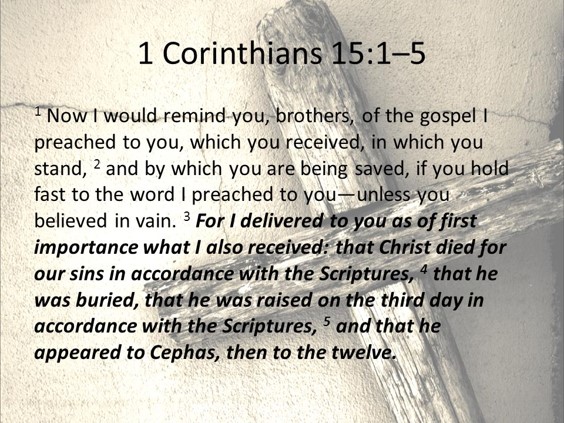
Part A:
Part B:
Full Message:
Bible Verse: Luke 2
Introduction:
Can you see from reading this section of the Nicene Creed what would be missing if as Christians we ONLY spoke about Jesus in terms of His birth (Christmas), His suffering, death and resurrection?
Excerpt about Jesus from the Nicence Creed
“We believe in one Lord, Jesus Christ, the only Son of God, eternally begotten of the Father, God from God, Light from Light, true God from true God, begotten, not made, of one Being with the Father. Through Him all things were made. For us and for our salvation He came down from heaven:
by the power of the Holy Spirit, He became incarnate from the Virgin Mary, and was made man. For our sake He was crucified under Pontius Pilate; He suffered death and was buried. On the third day He rose again in accordance with the Scriptures; He ascended into heaven and is seated at the right hand of the Father. He will come again in glory to judge the living and the dead, and His kingdom will have no end.”
What happens if we leave out His incarnate life for 33 years? What if after speaking about His Resurrection we stopped and never addressed His human Ascension and Bodily Return?
Theological Theme:
“Christ does not heal us as an ordinary doctor might, by standing over us, diagnosing our sickness, prescribing medicine for us to take and then going away, leaving us to get better as we follow His instructions. No, He becomes the patient. He assumes that very humanity which is in need of redemption, and by being anointed by the Spirit in our humanity, by a life of perfect obedience, by dying and rising again, for us, our humanity is healed in Him, in His person. We are not just healed through Christ, because of the work of Christ, but in and through Christ. Person and work must not be separated.” – James Torrance
Christ Connection:
Christ emptied himself so we may be filled
“The very Son of God, older than the ages, the invisible, the incomprehensible, the incorporeal, the beginning of beginning, the light of light, the fountain of life and immortality, the image of the archetype, the immovable seal, the perfect likeness, the definition and word of the Father: he it is who comes to his own image and takes our nature for the good of our nature, and unites himself to an intelligent soul for the good of my soul, to purify like by like.
He takes to himself all that is human, except for sin. He was conceived by the Virgin Mary, who had been first prepared in soul and body by the Spirit; his coming to birth had to be treated with honor, virginity had to receive new honor. He comes forth as God, in the human nature he has taken, one being, made of two contrary elements, flesh and spirit. Spirit gave divinity, flesh received it.
He who makes rich is made poor; he takes on the poverty of my flesh, that I may gain the riches of his divinity. He who is full is made empty; he is emptied for a brief space of his glory, that I may share in his fullness. What is this wealth of goodness? What is this mystery that surrounds me? I received the likeness of God, but failed to keep it. He takes on my flesh, to bring salvation to the image, immortality to the flesh. He enters into a second union with us, a union far more wonderful than the first.” – St. Gregory The Theologian
Missional Application:
Just as Jesus took on all the parts of our human nature and flesh through the history of a human life to bring us Salvation, as those in union with Jesus in the Spirit we participate with Him in all the parts of His human history and continued Lordship, pointing others to Him as their Salvation also!
Photo Compliments: slidetodoc.com