Archive for the ‘Discipleship’ Tag
“Who Do You Say I Am, God?”
Filed under: Bible, By Karan Barthelmy-Harris, Christian Living, Discipleship, Dr. Gary Deddo, GCI Windsor Mill, Maryland, God, God Father Son and Spirit, God the Trinity, God's love, good news, Gospel, Grace Communion Baltimore, Grace Communion International, identity in Christ, Inclusion, Jesus Christ, Liturgy, New Life Fellowship Of Baltimore Maryland, New Life Fellowship Of Windsor Mill, MD., On Mission with Christ, Participation with Christ, Participation with Jesus, Perichoresis, relationship with God, Scripture Paraphrases, Sermons, The Church, The Dance and Dream of the Trinity, The Father, Son and Holy Spirit, The Gospel Project, The Holy Spirit, The Plan of Adoption, Timothy Brassell, Trinity, Union In Christ, Union with Christ, Witness, Witnessing to God, Witnessing to Jesus, Worship, Worshiping God, Worshipping Jesus | Tags: #AlreadyButNotYet, #FaithRefined, #GodIsFaithful, #HoldTightToHim, #JesusIsEnough, #SpiritualWarfare, #Stand Firm, #Victory In Christ, 1 Peter 2:9, 2 Corinthians 5:17, Basic Christian Doctrine, Being In God's Family, Bible, Christian Faith, Christian Living, Colossians 3:3, Discipleship, Ephesians 2:10, Ephesians 2:6, Evangelism, Galatians 2:20, GCI Baltimore, GCI Windsor Mill, God, God's Faith, God's Grace, God's love, good news, Gospel, Having The Peace Of God, How God Reveals Himself, Humanity Revealed, Humanity Revealed In Jesus, Identity, Identity in Jesus Christ, Jesus, Jesus Christ, John 1:12, Knowing The Father's Love, Life's meaning and Significance, Maryland, Matthew 16: 15-17, MD., New Life Fellowship Baltimore MD, New Life Fellowship Of Windsor Mill, Psalm 139:14, Revealing Your Life's Purpose, romans 8:1-2, Sermons, Sharing God More Accurately, Sharing In God's JOy, Sharing In God's Laughter, Sharing In The Divine Nature, Son and Holy Spirit, The Basic Christian Belief, The Church, The Father, The Father Loves and Like You Fest, The God Who Is Love, the reason for your existence, Timothy Brassell of New Life Fellowship, Trinitarian Theology, TRUE identity, Understanding God, Understanding Human Beings, Understanding Life's Calling, Who Is God?, Who Is Jesus?, Witness, Worship, Worshipping Jesus Adoption
 Leave a comment
 Rediscovering Your True Identity in Christ
Galatians 2:20 (KJV)
“I am crucified with Christ: nevertheless, I live; yet not I, but Christ liveth in me: and the life which I now live in the flesh I live by the faith of the Son of God, who loved me, and gave himself for me.”
“I will praise you because I have been remarkably and wondrously made. Your works are wondrous, and I know this very well.” Psalm 139:14(CSB)
I don’t know about you, but I’ve wrestled with labels: failure, too broken, unlovable, not enough, invisible, unworthy, making life heavy. Maybe you have too. Sometimes the world whispers them. Sometimes they’re shouted by our circumstances. Sometimes we carry them quietly from our past. And other times, they come like daggers from the very people we thought would love and protect us most. Over time, those words start to settle in, clinging to us like heavy blankets, distorting how we see ourselves, and even how we think God —Father, Son, Holy Spirit sees us.
But the deeper, more healing question is this:
“Who do You say I am, God?”
This question isn’t just self-reflection, it’s surrender. It’s turning away from the unstable ground of human opinion and personal shame and turning toward the One whose voice created us in love and speaks identity over us in grace.
Jesus asked His disciples, “But you,” he asked them, “who do you say that I am?” (Matthew 16:15, CSB).
Simon Peter answered, “You are the Messiah, the Son of the living God.” (v. 16)
Jesus responded, “Blessed are you, Simon son of Jonah, because flesh and blood did not reveal this to you, but my Father in heaven.” (v. 17)
This moment is about revelation. It shows that truly knowing who Jesus is and who we are in Him is not something we achieve through striving or self-discovery, but something revealed to us by the Father. Just as Peter saw Jesus clearly by God’s grace, we too come to see ourselves rightly through that same grace.
And here’s what God—Father, Son, Holy Spirit says:
You are My beloved child (John 1:12, CSB).
You are forgiven and free (Romans 8:1–2, CSB).
You are a new creation (2 Corinthians 5:17, CSB).
You are chosen and not forsaken (1 Peter 2:9, CSB).
You are hidden with Christ in God (Colossians 3:3, CSB).
You are seated with Christ in the heavens (Ephesians 2:6, CSB).
When God names us, He does so based NOT on what we’ve done, but on what JESUS HAS DONE. As Dr. Gary Deddo writes:
“Jesus alone tells us who we are in him. Through the ministry of the Holy Spirit, he gives us a share in his meaning, significance, security, dignity and destiny.”—Gary Deddo, The Surprising God Blog
This is the truest thing about you:
You are not who others say you are. You are not the sum of your mistakes. You are not even who you say you are. You were designed with a purpose. You were made for a destiny. You are a masterpiece, hand painted by the Master himself. You are Who God Says You Are! “For we are his workmanship, created in Christ Jesus for good works, which God prepared ahead of time for us to do.” —Ephesians 2:10 CSB).
That identity is not fragile. It’s not temporary. It doesn’t rise and fall with your performance. In another reflection, Dr. Deddo reminds us:
“Let us not forget that it is Jesus’ faith—his faithfulness—that saves and transforms us.”—Gary Deddo, GCI Update, “Embracing Our New Identity in Christ”
This changes everything. We don’t build our identity on shaky foundations of willpower or reputation. We rest in Christ’s finished work. HIS faithfulness, HIS obedience, HIS righteousness given to us by grace.
This identity frees us to stop hustling for approval and start walking in assurance. In Jesus, we don’t just have a NEW NAME, we have A NEW NATURE. A NEW FUTURE. A NEW HOPE.
Reflection Questions:
– What labels or false identities have you been clinging to that Jesus never gave you?
– What might change in your life if you truly believed what Christ says about you?
– How can you let God’s—Father, Son, Holy Spirit—define you more than your inner critic?
Prayer
Lord Jesus, when I’m tempted to believe the lies, the ones that say I’m not enough, too far gone, or too broken, pull me back to the truth. Remind me that my identity doesn’t rise or fall with my performance. It rests securely in who You are and what You’ve done. When the old labels come rushing in… When the voices of the past get loud… When shame tries to cover me like a heavy blanket…. Lift my eyes. Remind me that I am not who the world says I am. I am who You say I am. You call me beloved. You call me new. You call me Yours. So today and every day, I ask you to help me to rest, not in striving, not in perfection, but in Your faithfulness, Your righteousness, Your finished work. Help me live from the identity You’ve already spoken over me: FREE. FORGIVEN. CHOSEN. REDEEMED. In Your powerful and loving name, I pray, Amen.
“Revelation: The Glory of The God-Man Fully Alive!”
Filed under: Bible, By Pastor Timothy, By Tim Brassell, By Timothy Brassell, Christian Living, Christianity, Discipleship, Evangelism, Faith, GCI Windsor Mill, Maryland, God, God Father Son and Spirit, God the Trinity, God's love, good news, Gospel, Grace Communion Baltimore, Grace Communion International, identity in Christ, Inclusion, Jesus Christ, Liturgy, Love, Ministry, New Life Fellowship Of Baltimore Maryland, New Life Fellowship Of Windsor Mill, MD., On Mission with Christ, Participation with Christ, Participation with Jesus, Perichoresis, Prayer, relationship with God, Relationships, Scripture Paraphrases, Sermons, The Church, The Dance and Dream of the Trinity, The Gospel Project, The Holy Spirit, The Plan of Adoption, Timothy Brassell, Trinity, Uncategorized, union, Union In Christ, Union with Christ, Witness, Witnessing to God, Witnessing to Jesus, Worship, Worshiping God, Worshipping Jesus | Tags: Basic Christian Doctrine, Being In God's Family, Bible, By Pastor Timothy, By Tim Brassell, By Timothy Brassell, Christ reigns now, Christian Faith, Christian Living, Christianity, Church, Discipleship, Evangelism, Faith, fearless in Christ, GCI Baltimore, GCI Windsor Mill, glory of christ, God, God Father Son and Spirit, God the Trinity, God's Faith, God's Grace, God's love, good news, Gospel, Grace Communion Baltimore, Grace Communion International, Having The Peace Of God, How God Reveals Himself, Humanity Revealed, Humanity Revealed In Jesus, identity in Christ, Inclusion, Jesus, Jesus Christ, Kingdom Living, Knowing The Father's Love, Life's meaning and Significance, Love, Maryland, MD., Ministry, New Life Fellowship Baltimore MD, New Life Fellowship Of Baltimore Maryland, New Life Fellowship Of Windsor Mill, Participation with Christ, Participation with Jesus, relationship with God, Relationships, Revealing Your Life's Purpose, Revelation 1, Reveleation for believers, Sermons, Sharing God More Accurately, Sharing In God's JOy, Sharing In God's Laughter, Sharing In The Divine Nature, Son and Holy Spirit, The Basic Christian Belief, The Church, The Dance and Dream of the Trinity, The Father, The Father Loves and Like You Fest, The God Who Is Love, The Holy Spirit, The Plan of Adoption, the reason for your existence, Timothy Brassell of New Life Fellowship, Trinitarian Theology, Trinity, Uncategorized, Understanding God, Understanding Human Beings, Understanding Life's Calling, Union with Christ, Who Is God, Who Is Jesus, Worship, Worshipping Jesus Adoption
Leave a comment 
Part 1A:
Part 1B:
Full Message:
Scripture: Revelation 1
Summary:
Revelation 1 paints a stunning picture of Jesus Christ in His full glory, no longer the suffering servant but the reigning King of kings. The sermon emphasizes that His rule is not just something for the future, but a present reality. Jesus is already at work, guiding His Church, advancing His Kingdom, and calling His people to live in faith, not fear.
Believers are reminded that Christ holds the keys to death and Hades, proving that He has authority over all things, including life and eternity. Because of this, there is no need for fear—our faith is built on a victorious Savior who reigns forever. The message also underscores the importance of spiritual maturity, urging Christians to move beyond a surface-level understanding of their faith and into a deeper relationship with Christ.
Rather than waiting passively for Jesus’ return, the Church is called to shine as a light in the world, reflecting His glory and truth. Revelation is not just about the final days; it is a call to action for believers to walk in faith, proclaim the Gospel, and live with urgency in the present. The sermon concludes with the reminder that the time is now—we are living in the last days, and God[Father-Son-Holy-Spirit] is calling His people to boldness, faithfulness, and unwavering trust in His sovereignty.
Key Themes from the Sermon:
1️⃣ Jesus: The Glorified King 👑🔥
- Theme: Jesus is no longer the suffering servant but the fully glorified and reigning King, ruling with all power and authority.
- Discipleship Question: How does recognizing Jesus as King change how you live daily?
2️⃣ The Book of Revelation is for Believers 📖🙌
- Theme: Revelation is not a book of fear but a message of encouragement for the Church, calling believers to deeper faith.
- Discipleship Question: How does knowing Revelation is for your spiritual growth change your perspective on it?
3️⃣ Jesus is Reigning Now, Not Just in the Future ⏳✝️
- Theme: Many see Revelation as only about the end times, but Jesus is ruling and active today.
- Discipleship Question: Are you living as if Jesus is in control of your life right now?
4️⃣ Spiritual Maturity is Our Calling 🌱🛡️
- Theme: God[Father-Son-Holy-Spirit] is leading His Church into greater spiritual growth, calling us to mature faith and endurance.
- Discipleship Question: In what ways is God calling you to grow spiritually this season?
5️⃣ The Kingdom of God is Advancing 👣🏰
- Theme: Through Acts and Revelation, we see that God’s Kingdom is expanding, and we are part of it!
- Discipleship Question: How can you actively participate in God’s Kingdom work this week?
6️⃣ Jesus Holds the Keys to Death & Hades 🗝️💀
- Theme: Jesus defeated death and holds authority over eternity, meaning we have nothing to fear.
- Discipleship Question: What fear do you need to surrender to Jesus today?
7️⃣ Faith Over Fear 🚀🕊️
- Theme: The book of Revelation reminds us that God wins! We are called to walk in faith, not fear.
- Discipleship Question: Are you trusting God fully, even when the world seems uncertain?
8️⃣ Jesus is Our Foundation & Anchor ⚓🔑
- Theme: There is no other truth or way to eternal life except through Jesus Christ.
- Discipleship Question: How can you make Jesus the true foundation of your life today?
9️⃣ The Church is Called to be a Light 💡🌍
- Theme: As believers, we are called to reflect Christ’s glory and be a witness to the world.
- Discipleship Question: How can you shine the light of Christ in your community this week?
🔟 The Time is Now! ⏰🔥
- Theme: We are living in the last days, and Jesus calls us to boldness, faith, and action.
- Discipleship Question: What steps can you take today to live more intentionally for Christ?
📖 Context:
This sermon, based on Revelation 1, reveals the full glorification of Jesus Christ and His active reign today. While many view Revelation as a book about the distant future, this message highlights that Jesus is already ruling, calling believers to spiritual maturity, courage, and active participation in His Kingdom. The sermon draws a strong connection between Acts and Revelation, showing that both books emphasize a victorious, living Christ who is leading His Church through history and into eternity.
Instead of fueling speculation and fear, the book of Revelation is meant to encourage believers, reminding them that Christ has already secured the ultimate victory. This sermon challenges Christians to shift their focus from end-times anxiety to a present reality where Jesus is on the throne, ruling with power, and calling His followers to faith and obedience.
💡 Key Takeaway: Revelation is not a book of fear, but of hope, victory, and encouragement for those who follow Jesus.
“Jesus Answers The Question: ‘Are We There Yet?'”
Filed under: Bible, By Timothy Brassell, Christian Living, Christianity, Church, Discipleship, Evangelism, Faith, GCI Windsor Mill, Maryland, God, God Father Son and Spirit, God the Trinity, God's love, good news, Gospel, Grace Communion Baltimore, Grace Communion International, identity in Christ, Inclusion, Jesus Christ, Liturgy, Love, Ministry, New Life Fellowship Of Baltimore Maryland, New Life Fellowship Of Windsor Mill, MD., On Mission with Christ, Participation with Christ, Participation with Jesus, Pentecost, Perichoresis, Prayer, relationship with God, Relationships, Scripture Paraphrases, Sermons, The Church, The Dance and Dream of the Trinity, The Father, Son and Holy Spirit, The Gospel Project, The Holy Spirit, The Plan of Adoption, Timothy Brassell, Trinity, Uncategorized, union, Union In Christ, Union with Christ, Witness, Witnessing to God, Witnessing to Jesus, Worship, Worshiping God, Worshipping Jesus | Tags: Acts, Acts 1: 6-9, Adoption, Basic Christian Doctrine, Being In God's Family, Bible, By Pastor Timothy, By Tim Brassell, By Timothy Brassell, Christ's witness, Christian Faith, Christian Living, Christianity, Church, Discipleship, Evangelism, Faith, GCI Baltimore, GCI Windsor Mill, God, God Father Son and Spirit, God the Trinity, God's Faith, God's Grace, God's love, God's Timing, good news, Gospel, Grace Communion Baltimore, Grace Communion International, Having The Peace Of God, How God Reveals Himself, Humanity Revealed, Humanity Revealed In Jesus, identity in Christ, Inclusion, Jesus, Jesus at the center, Jesus Christ, Knowing The Father's Love, Life's meaning and Significance, Love, Maryland, MD., Ministry, New Life Fellowship Baltimore MD, New Life Fellowship Of Baltimore Maryland, New Life Fellowship Of Windsor Mill, Participation with Christ, Participation with Jesus, relationship with God, Relationships, Revealing Your Life's Purpose, Sermons, Sharing God More Accurately, Sharing In God's JOy, Sharing In God's Laughter, Sharing In The Divine Nature, Son and Holy Spirit, The Basic Christian Belief, The Church, The Dance and Dream of the Trinity, The Father, The Father Loves and Like You Fest, The God Who Is Love, The Holy Spirit, The Plan of Adoption, the reason for your existence, Timothy Brassell of New Life Fellowship, Trinitarian Theology, Trinity, True Discipleship, Uncategorized, Understanding God, Understanding Human Beings, Understanding Life's Calling, Union with Christ, Who Is God?, Who Is Jesus?, Worship, Worshipping Jesus
Leave a comment Series: Participating With Christ. Acting With Our Father’s Son and Holy Spirit!

Part A:
Part B:
Full Message:
Scripture: Acts: 1: 6-9
Summary:
In this powerful sermon, Pastor Timothy Brassell explores Acts 1:6-9, where Jesus’ disciples ask about the restoration of Israel’s kingdom. Rather than answering their question directly, Jesus redirects their focus to what truly matters—the coming power of the Holy Spirit and their mission to be witnesses to the world.
This message challenges us to move beyond mere intellectual knowledge of Jesus and into an active, participatory relationship with Him. Many Christians focus on the wrong priorities, just as the disciples initially did. Jesus reminds us that the kingdom is not about earthly rule or power but about transformation through the Spirit and the mission of spreading the Gospel.
Are we truly listening to Jesus, or are we holding onto our own expectations of what His kingdom should be? This sermon calls us to embrace our role as Spirit-filled witnesses, trust in God’s [Father-Son-Holy-Spirit] perfect timing, and remain Christ-centered in all we do.
Key Points & Highlights:
1️⃣ 👂 Hearing vs. Understanding
- Theme: The disciples wanted political restoration, but Jesus redirected them to spiritual transformation.
- Discipleship Question: Are you listening to what Jesus is truly saying, or just what you want to hear?
2️⃣ 📖 Jesus at the Center
- Theme: The kingdom of God is not about earthly rule, but about Jesus ruling in our hearts.
- Discipleship Question: Is Jesus truly the center of your faith, or are worldly concerns distracting you?
3️⃣ 🔥 The Power of the Holy Spirit
- Theme: Jesus tells the disciples that true power comes from the Holy Spirit, not human effort.
- Discipleship Question: Are you relying on the Spirit’s power in your daily life?
4️⃣ 🌍 Called to Be Witnesses
- Theme: The disciples were called to spread the Gospel beyond Israel—and we are too!
- Discipleship Question: How are you actively witnessing to others about Jesus?
5️⃣ 🛤️ Trusting in God’s Timing
- Theme: Jesus tells the disciples that only the Father knows the times and seasons of His plan.
- Discipleship Question: Are you patient in trusting God’s perfect timing?
6️⃣ ✝️ Jesus’ Kingdom is Already at Work
- Theme: The kingdom is not something we wait for—Jesus is already reigning.
- Discipleship Question: Are you living as if Jesus is King right now?
7️⃣ 🤝 Union with Christ
- Theme: Our mission is not to work for Jesus, but to participate in what He is already doing.
- Discipleship Question: Are you truly abiding in Christ, or trying to serve Him in your own strength?
8️⃣ ⏫ Jesus Ascended, But His Work Continues
- Theme: Jesus’ ascension does not mean He is gone—He continues His work through us.
- Discipleship Question: Are you living as someone actively continuing Jesus’ mission?
9️⃣ ⛪ The Church Exists to Spread the Gospel
- Theme: The disciples were commissioned to take the Gospel to all nations—this is still our mission today.
- Discipleship Question: Is your church truly focused on sharing Christ, or caught up in lesser things?
🔟 🚶♂️ Faith is a Journey, Not a One-Time Event
- Theme: Discipleship is not just about believing—it is about walking with Jesus daily.
- Discipleship Question: How are you growing in your faith each day?
Context
This sermon by Pastor Timothy Brassell dives deep into Acts 1:6-9, a pivotal moment where Jesus corrects the disciples’ misguided expectations and prepares them for their real mission—spreading the Gospel through the power of the Holy Spirit.
The disciples, like many today, were focused on the wrong priorities—they wanted a political and earthly kingdom, but Jesus was pointing them to a spiritual reality. The kingdom of God [Father-Son-Holy-Spirit] is not about human control; it is about Jesus reigning through His people as they witness to the world.
This message challenges us to rethink our expectations of Jesus and align with His true mission. Are we focused on power, comfort, and control, or are we embracing our call to be Spirit-filled witnesses?
By keeping Jesus at the center, trusting in God’s timing, and relying on the Holy Spirit’s power, we step into the true mission of the Church—proclaiming the Gospel to the ends of the earth.
Reflective Question:
Are you truly embracing your call to be Christ’s witness, or are you still waiting for a different kind of kingdom?
📌 Join the Conversation:
Share your thoughts and experiences. Let’s journey together toward deeper discipleship!
Pentecost And The Coming Of The Holy Spirit!
Filed under: Bible, By Melvin McKee, Jr., Christian Living, Christianity, Church, Faith, GCI Windsor Mill, Maryland, God Father Son and Spirit, God the Trinity, good news, Gospel, Grace Communion Baltimore, Grace Communion International, Jesus Christ, Love, Ministry, New Life Fellowship Of Baltimore Maryland, New Life Fellowship Of Windsor Mill, MD., On Mission with Christ, Participation with Christ, Pentecost, relationship with God, Relationships, Sermons, The Church, The Father, Son and Holy Spirit, The Gospel Project, The Holy Spirit, Union In Christ, Union with Christ, Witnessing to God, Witnessing to Jesus, Worship, Worshiping God, Worshipping Jesus | Tags: Christian Living, Christianity, Church, Discipleship, God's Promise, Gospel, Jesus, Jesus' Ascension, Jesus' Death, Jesus' Resurrection, Love, Melvin McKee Jr., New Life Fellowship Of Baltimore Maryland, Pentecost, Relationships, The Body of Christ, The Great Commission, The Spirit's Indwelling, Trinity
Leave a comment 
Part 1A
Part 1B
Scripture: Acts 1, 2
Introduction:
Summary and Goal:
Pentecost was the occasion following Jesus death, resurrection and
ascension when the Holy Spirit was sent as Jesus promised to his
disciples in Jerusalem. Peter proclaimed the fulfillment of the
prophecy of Joel 2:28-32.
Theological Theme:
Jesus Christ is the living Head of the Church, and to whom it looks and is
directed through the Holy Scriptures, by the indwelling Holy
Spirit.
Christ Connection:
Jesus lives in his followers through the presence of the Holy Spirit
indwelling and empowering them to fulfill the great commission of
proclaiming the good news of Jesus in the world.
Missional Application:
The Church, the body of Christ, is composed of people who trust in
Jesus and who are commissioned to make disciples of others in the world.
Photos compliments: pinterest.com
JESUS: The Most Important PERSON and TASK For Everyone! Part 1 (Our Christian and Biblical Worldview)
Filed under: Bible, By Tim Brassell, Christian Living, Christianity, Church, Discipleship, Evangelism, Faith, GCI Windsor Mill, Maryland, God, God Father Son and Spirit, God the Trinity, God's love, good news, Gospel, Grace Communion Baltimore, Grace Communion International, identity in Christ, Inclusion, Jesus Christ, Liturgy, Love, Ministry, New Life Fellowship Of Baltimore Maryland, New Life Fellowship Of Windsor Mill, MD., On Mission with Christ, Participation with Christ, Participation with Jesus, Perichoresis, Prayer, relationship with God, Relationships, Scripture Paraphrases, Sermons, The Church, The Dance and Dream of the Trinity, The Father, Son and Holy Spirit, The Gospel Project, The Holy Spirit, The Plan of Adoption, Timothy Brassell, Trinity, Uncategorized, union, Union In Christ, Union with Christ, Witness, Witnessing to God, Witnessing to Jesus, Worship, Worshiping God, Worshipping Jesus | Tags: 1 Cor 15: 1-11, Adoption, All Are Included In Christ, Christian Living, Christianity, Church, Discipleship, enlightenment through JESUS ALONE, father, Fruit of God's Grace, GCI Baltimore, God - Father-Son-and Holy Spirit, God Father Son and Spirit, God in Flesh, God Incarnate, God Likes You, god the father, God The Father's Love, God the Trinity, God's Faith, God's Faithfulness, God's Gift, God's Grace, God's Healing, God's Hope, God's Humility, God's love, God's Love And Life, God's Mercy, God's Mission, God's Patience, God's Power, God's Presence, God's Unconditional Love, Gospel, grace alone through faith alone in Christ alone, Grace Communion International, humanity, Humanity Uplifted, Humility, Humility of God, Humility of Jesus, Incarnation, Included In Christ, Jesus, Jesus Christ, Jesus Is God's Love Revealed, Jesus is the way the truth and the life, jesus ministry, JESUS THE CHRIST, Jesus Transforms, Jesus' Authority, Jesus' Presence, Love, Luke 2: 52, Outpouring Of The Holy Spirit, Participation with Jesus, Pastor Timothy Brassell of New Life Baltimore, Perichoresis, Purpose, Receiving God's Love, Reconciled To God, Reconciliation, Relationship With Jesus, Relationships, Salvation, Salvation By Grace Alone, Salvation In Christ, Sharing God's Love With Others, sharing in Jesus' humanity, Spiritual Maturity, Spirituality, The Father, The Father's Love, The Father-Son-and-Spirit-God, The Holy Spirit, The Holy Spirit Of Love, Trinitarian Theology, Trinity, Unconditional, Unconditional Love, Union and Communion, Union With Jesus, Union with Jesus Christ, Wholeness in Christ, Worship
Leave a comment 
Part 1A:
Part 1B:
Part 1 C:
Full Message:
Bible Verses: Luke 2: 52 (Various Scriptures)
Theological Theme:
God-Father-Son-Holy-Spirit proclaims in a living personal relational way that:
- God the Father does not stand far off from sinners but he draws close to sinners in His Son.
- Though we have all sinned and fallen short of God’s glory, we still have human dignity from the fact of our being God’s good creation from our conception and beginning, and now from the stronger fact of Christ living in our human nature and uniting it to his Godly nature forever!
- God-Father-Son-Holy-Spirit has revealed in the virgin birth of the Son that God does the dirty work of dealing with the tensions and paradoxes of our dignity and brokenness and heals them in HIMSELF, in our humanity that he has now taken on and assumed!
- The Father takes responsibility for His creation and He loves us so much that He even subjects Himself to taking on our sinful flesh, suffering flesh and, ultimately, even evil for our sakes, in His Son. In the power of His Spirit he destroys sin and evil, and preserves us by grace!
Christ Connection:
“If there are two sides to humanity, ”Ray Anderson proclaims, “Christ will be on the wrong side. “1 Jesus embodied the unreserved presence of God with and for sinners. “Those who are well have no need of physician,” Jesus declares ‘but those who are sick. Go and learn what this means, ‘I desire mercy, and not sacrifice.’ For I came not to call the righteous, but sinners” (Mt.9:12f.). Christ’s incarnate humanity – his entire life, death, and resurrection among and on behalf of sinners – provides the basis for and the reality of reconciliation. He stands in our place and acts on our behalf to heal our humanity. His vicarious humanity – i.e., his substitutionary life and death in our place and representative humanity on our behalf – reconciles us to one another and to God. Social reconciliation is both an indicative and an imperative of the gospel of Jesus Christ, both gift and task, both command and promise.”
Missional application:
“A key understanding of our theology has to do with what God has accomplished for all humanity in and through his incarnate Son, Jesus Christ….. God [in and through Jesus Christ] has reconciled all people to himself.
This theological declaration is based on the biblical revelation that Christ died for all and that God has loved and reconciled the world to himself.
Because this reconciliation is accomplished, and thus a present reality, God’s desire, which is fulfilled by the ongoing ministry of the Holy Spirit, is for all people everywhere to come to repentance and faith so they may personally experience (receive and live into) this reconciliation and so not perish...
…[from God the Father in a variety of ways, all people in all places and times have been included in God’s love and life in and through Jesus and by his Spirit. In that we rejoice, and on that basis we make our gospel declarations.” -Gary Deddo
Conclusion:
Because of the virgin birth and what it reveals about God in Christ having to replace us even from our conception, we can see that we do not gain enlightenment through meditation and mindfulness practices. We cannot look inside ourselves and come to realize what it takes to meet our true selves and the true power of self-compassion and self-love! No! We gain enlightenment through JESUS ALONE! We must look outside of ourselves to Him to find the fullness of humanity we were meant to bear! In Jesus, the Father is filling us and our human nature with His life and love as GOD – The Father Son and Spirit. Receiving this enlightenment by grace can then lead to the fruit of our practicing with Jesus His meditations and mindfulness of His Father and the Gospel, in the Holy Spirit!
Photo Compliments: http://www.halomtidings.org (edited)
The Most Important TASK Done For Everyone Everywhere – JESUS CHRIST! (Our Christmas and Biblical Worldview)
Filed under: Bible, By Tim Brassell, Christian Living, Christianity, Christmas, Church, Discipleship, Faith, GCI Windsor Mill, Maryland, God, God Father Son and Spirit, God the Trinity, God's love, good news, Gospel, Grace Communion Baltimore, Grace Communion International, identity in Christ, Inclusion, Jesus Christ, Love, Ministry, New Life Fellowship Of Baltimore Maryland, New Life Fellowship Of Windsor Mill, MD., On Mission with Christ, Participation with Christ, Participation with Jesus, Perichoresis, Prayer, relationship with God, Relationships, Sermons, The Church, The Dance and Dream of the Trinity, The Father, Son and Holy Spirit, The Holy Spirit, The Plan of Adoption, Timothy Brassell, Trinity, Uncategorized, union, Union In Christ, Union with Christ, Witness, Witnessing to God, Witnessing to Jesus, Worship, Worshiping God, Worshipping Jesus | Tags: 1 Corinthians 15: 1-4, Adoption, All Are Included In Christ, Christian Living, Christianity, Christmas, Church, Discipleship, father, Fruit of God's Grace, GCI Baltimore, God Father Son and Spirit, God in Flesh, God Incarnate, God Likes You, God The Father's Love, God the Trinity, God's Faith, God's Faithfulness, God's Gift, God's Grace, God's Healing, God's Hope, God's Humility, God's love, God's Love And Life, God's Love Is Concrete, God's Mercy, God's Mission, God's Patience, God's Power, God's Presence, God's Unconditional Love, Gospel, grace alone through faith alone in Christ alone, Grace Communion International, Gregory of Nazianzen, Gregory The Theologian, Humanity Uplifted, Humility, Humility of God, Humility of Jesus, Incarnation, Included In Christ, James Torrance, Jesus, Jesus Christ, Jesus Is God's Love Revealed, Jesus is the way the truth and the life, jesus ministry, JESUS THE CHRIST, Jesus' Presence, Love, Luke 2, Outpouring Of The Holy Spirit, Participation with Jesus, Pastor Timothy Brassell of New Life Baltimore, Perichoresis, Purpose, Receiving God's Love, Relationship With Jesus, Relationships, Salvation, Salvation By Grace Alone, Sharing God's Love With Others, Spiritual Maturity, Spirituality, The Father, The Father's Love, The Father-Son-and-Spirit-God, The Holy Spirit, The Incarnation of the Son, The Nicene Creed, Trinitarian Theology, Trinity, unconditional acceptance, Unconditional Love, Union and Communion, Union with Jesus Christ, Wholeness in Christ, Worship, Worshipping Jesus
Leave a comment 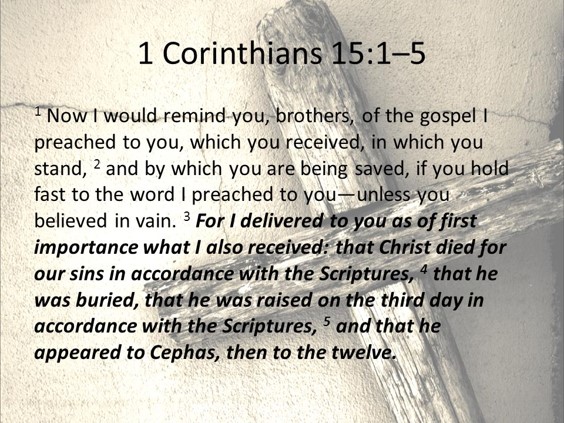
Part A:
Part B:
Full Message:
Bible Verse: Luke 2
Introduction:
Can you see from reading this section of the Nicene Creed what would be missing if as Christians we ONLY spoke about Jesus in terms of His birth (Christmas), His suffering, death and resurrection?
Excerpt about Jesus from the Nicence Creed
“We believe in one Lord, Jesus Christ, the only Son of God, eternally begotten of the Father, God from God, Light from Light, true God from true God, begotten, not made, of one Being with the Father. Through Him all things were made. For us and for our salvation He came down from heaven:
by the power of the Holy Spirit, He became incarnate from the Virgin Mary, and was made man. For our sake He was crucified under Pontius Pilate; He suffered death and was buried. On the third day He rose again in accordance with the Scriptures; He ascended into heaven and is seated at the right hand of the Father. He will come again in glory to judge the living and the dead, and His kingdom will have no end.”
What happens if we leave out His incarnate life for 33 years? What if after speaking about His Resurrection we stopped and never addressed His human Ascension and Bodily Return?
Theological Theme:
“Christ does not heal us as an ordinary doctor might, by standing over us, diagnosing our sickness, prescribing medicine for us to take and then going away, leaving us to get better as we follow His instructions. No, He becomes the patient. He assumes that very humanity which is in need of redemption, and by being anointed by the Spirit in our humanity, by a life of perfect obedience, by dying and rising again, for us, our humanity is healed in Him, in His person. We are not just healed through Christ, because of the work of Christ, but in and through Christ. Person and work must not be separated.” – James Torrance
Christ Connection:
Christ emptied himself so we may be filled
“The very Son of God, older than the ages, the invisible, the incomprehensible, the incorporeal, the beginning of beginning, the light of light, the fountain of life and immortality, the image of the archetype, the immovable seal, the perfect likeness, the definition and word of the Father: he it is who comes to his own image and takes our nature for the good of our nature, and unites himself to an intelligent soul for the good of my soul, to purify like by like.
He takes to himself all that is human, except for sin. He was conceived by the Virgin Mary, who had been first prepared in soul and body by the Spirit; his coming to birth had to be treated with honor, virginity had to receive new honor. He comes forth as God, in the human nature he has taken, one being, made of two contrary elements, flesh and spirit. Spirit gave divinity, flesh received it.
He who makes rich is made poor; he takes on the poverty of my flesh, that I may gain the riches of his divinity. He who is full is made empty; he is emptied for a brief space of his glory, that I may share in his fullness. What is this wealth of goodness? What is this mystery that surrounds me? I received the likeness of God, but failed to keep it. He takes on my flesh, to bring salvation to the image, immortality to the flesh. He enters into a second union with us, a union far more wonderful than the first.” – St. Gregory The Theologian
Missional Application:
Just as Jesus took on all the parts of our human nature and flesh through the history of a human life to bring us Salvation, as those in union with Jesus in the Spirit we participate with Him in all the parts of His human history and continued Lordship, pointing others to Him as their Salvation also!
Photo Compliments: slidetodoc.com
The Most Important PERSON For Everyone Everywhere – JESUS CHRIST! (Our Christmas and Biblical Worldview)
Filed under: Bible, By Tim Brassell, Christianity, Christmas, Church, Discipleship, Faith, GCI Windsor Mill, Maryland, God, God Father Son and Spirit, God the Trinity, God's love, good news, Gospel, Grace Communion Baltimore, Grace Communion International, identity in Christ, Inclusion, Jesus Christ, Liturgy, Love, Ministry, New Life Fellowship Of Baltimore Maryland, New Life Fellowship Of Windsor Mill, MD., On Mission with Christ, Participation with Christ, Participation with Jesus, Perichoresis, Prayer, relationship with God, Relationships, Sermons, The Church, The Father, Son and Holy Spirit, The Holy Spirit, The Plan of Adoption, Timothy Brassell, Trinity, Uncategorized, union, Union In Christ, Union with Christ, Witness, Witnessing to God, Witnessing to Jesus, Worship, Worshiping God, Worshipping Jesus | Tags: Active Participation With Jesus, Adoption, All Are Included In Christ, birth of christ, Christian Living, Christianity, Christmas, Church, Discipleship, Evangelism, Fruit of God's Grace, GCI Baltimore, God Father Son and Spirit, God in Flesh, God Incarnate, God Likes You, God the Trinity, God's Faith, God's Faithfulness, God's Gift, God's Grace, God's Healing, God's Hope, God's Humility, God's love, God's Love And Life, God's Mercy, God's Mission, God's Patience, God's Power, God's Presence, God's Unconditional Love, Gospel, grace alone through faith alone in Christ alone, Grace Communion International, haring the Gospel With Others, Humanity Uplifted, Humility, Humility of God, Humility of Jesus, Incarnation, Included In Christ, Jesus, Jesus Is God's Love Revealed, Jesus is the way the truth and the life, Jesus' Presence, Love, Luke 1, Luke 1: 26-38, Luke 1: 46-55, Luke 2, Luke 2: 30-32, Outpouring Of The Holy Spirit, Participation with Jesus, Participation with Jesus Christ, Pastor Timothy Brassell of New Life Baltimore, Perichoresis, Purpose, Receiving God's Love, Relationship With Jesus, Relationships, Salvation, Salvation By Grace Alone, Salvation In Christ, Sharing God's Good News, Sharing Jesus With Others, son, Son of God, Spiritual Maturity, Spirituality, The Father, The Father's Love, The Father-Son-and-Spirit-God, The Holy Spirit, The Holy Spirit Of Love, Trinitarian Theology, Trinity, Unconditional, unconditional acceptance, Union and Communion, Union With Jesus, Union with Jesus Christ, Wholeness in Christ, Worship, Worshipping Jesus
Leave a comment 
Part A:
Part B:
Full Message:
Bible Verse: Luke 2
Introduction:
Luke 1:26-38
1:26 In the sixth month the angel Gabriel was sent by God to a town in Galilee called Nazareth,
1:27 to a virgin engaged to a man whose name was Joseph, of the house of David. The virgin’s name was Mary.
1:28 And he came to her and said, “Greetings, favored one! The Lord is with you.”
1:29 But she was much perplexed by his words and pondered what sort of greeting this might be.
1:30 The angel said to her, “Do not be afraid, Mary, for you have found favor with God.
1:31 And now, you will conceive in your womb and bear a son, and you will name him Jesus.
1:32 He will be great, and will be called the Son of the Most High, and the Lord God will give to him the throne of his ancestor David.
1:33 He will reign over the house of Jacob forever, and of his kingdom there will be no end.”
1:34 Mary said to the angel, “How can this be, since I am a virgin?”
1:35 The angel said to her, “The Holy Spirit will come upon you, and the power of the Most High will overshadow you; therefore the child to be born will be holy; he will be called Son of God.
1:36 And now, your relative Elizabeth in her old age has also conceived a son; and this is the sixth month for her who was said to be barren.
1:37 For nothing will be impossible with God.”
1:38 Then Mary said, “Here am I, the servant of the Lord; let it be with me according to your word.” Then the angel departed from her.
Theological Theme:
This story in Luke, noted above, is a good example of how we can preach and witness to others similarly about the Gospel!
vv.26-31 “Greetings, favored one! The Lord is with you.” You should start your witnessing with Who God is as Revealed in Jesus and who we are in Him – Favored!
v.31 “And now, you will conceive in your womb and bear a son, and you will name him Jesus.” ONLY AFTER PROCLAIMING WHO GOD IS IN HIS WORDS AND DEEDS do you proclaim our participation with Him!
v.34 “Mary said to the angel, ‘How can this be, since I am a virgin?’, 35 The angel said to her, ‘The Holy Spirit will come upon you, and the power of the Most High will overshadow you; therefore the child to be born will be holy; he will be called Son of God.’”
All of this happens by the grace of God – from the Father, through the Son, and in the Holy Spirit!
Christ Connection:
“God loves you so utterly and completely that he has given himself for you in Jesus Christ his beloved Son, and has thereby pledged [promised and given] his very being as God for your salvation. In Jesus Christ God has actualized [made actual and real] his unconditional love for you in your human nature in such a once for all way, that he cannot go back upon it without undoing the Incarnation and the Cross and thereby denying himself. Jesus Christ died for you precisely because you are sinful and utterly unworthy of him, and has thereby already made you his own before and apart from your ever believing in him. He has bound you to himself by his love in a way that he will never let you go, for even if you refuse him and damn yourself in hell his love will never cease. Therefore, repent and believe in Jesus Christ as your Lord and Savior.”- (T. F. Torrance, “The Mediation of Christ,” 94)
Missional Application:
As we are filled with the Love of the Father and Son Relationship in the Holy Spirit, we participate with God, compelled to go to all and say:
“In and through Jesus, God has included all people everywhere in a particular relationship with himself for just these purposes so that what has been fulfilled for us objectively in Jesus by the Spirit, will then be fulfilled in us personally (subjectively) by the Spirit via our deliberate, purposeful participation (response) as subjects who are moral, spiritual agents. What Christ did for us, he did so that the Holy Spirit could work a response out in us. When we understand that the person and work of Christ establishes or reestablishes a living, vital, personal relationship with all humanity, then the biblical teachings concerning inviting, admonishing, encouraging, directing, commanding and warning in regard to setting forth the fitting or appropriate response make sense.” – Gary Deddo
The Most Important Priority For Everyone Everywhere! Part 2 (Our Christian/Biblical Worldview)
Filed under: Bible, By Tim Brassell, Christian Living, Christianity, Church, Discipleship, Evangelism, Faith, GCI Windsor Mill, Maryland, God, God Father Son and Spirit, God the Trinity, God's love, good news, Gospel, Grace Communion Baltimore, Grace Communion International, identity in Christ, Inclusion, Jesus Christ, Love, Ministry, New Life Fellowship Of Baltimore Maryland, New Life Fellowship Of Windsor Mill, MD., On Mission with Christ, Participation with Christ, Participation with Jesus, Pentecost, Perichoresis, Prayer, relationship with God, Relationships, Sermons, The Church, The Dance and Dream of the Trinity, The Father, Son and Holy Spirit, The Gospel Project, The Holy Spirit, The Plan of Adoption, Timothy Brassell, Trinity, Uncategorized, union, Union In Christ, Union with Christ, Witness, Witnessing to God, Witnessing to Jesus, Worship, Worshiping God, Worshipping Jesus | Tags: Adoption, Advent, Advent Season, Christian Living, Christianity, Colossians 1, Discipleship, Faith in God, Faith in Jesus, Fruit of God's Grace, GCI Baltimore, God Father Son and Spirit, God in Flesh, God Incarnate, God Likes You, God the Trinity, God's Faith, God's Faithfulness, God's Gift, God's Grace, God's Healing, God's Hope, God's love, God's Love And Life, Gospel, Hope in God, Hope in Jesus, Jesus, Jesus' Final Appearing, Love, Prioritizing Your Life, Relationships, The Biblical Worldview, The Christian Hope, The Christian Worldview, The Return of Jesus Christ, The Second Coming, Trinity, Worship
Leave a comment Part 2A:
Part 2B:
Full Message:
Bible Verses: Colossians ( Various Scriptures)

Introduction:
In a world:
Where people, including those in the Church, are still fighting over the various shades of color of skin,
Where people are seeking to live life in their own made up identities and pushing politicians to identify mainly with their cause,
Where people are exalting their own independence and individualism at the complete cost of their neighbors suffering,
Where the ultimate innocents and vulnerable among us are being aborted at an alarmingly high rate, and,
Where one of the scariest places in all the world to be is a nursing home, and,
Where, in our cities, the murder rate is not only high, but where research shows that most murders are meant to kill…
What hope do we Christians have to share with the world?
Theological Theme:
According to our Christian Hope shared through our Christian Calendar (following the events of God in History), we have entered the season of Advent where we celebrate the fact, specifically, that the Father’s Son came among us as Jesus 2000 years ago, as promised in scripture, and has come and is here again after his resurrection (in the Spirit), and is anticipated to come to earth again, bodily, at his Final Appearing! What does the word Advent mean? It is a word that means “The Coming and the Arrival of something great and important!” For us Christians it means the Coming of Some-One Who is The Greatest and The Most Important Someone, and that Some-One is the Lord Jesus Christ, Son of God the Father, Filled with the Love, Communion and Power of the Holy Spirit!
Christ Connection:
Because of Who Jesus is not only as God, but also as Man, His ministry and comings not only have something to do with His Body the Church, but with all of creation. He is Creator, Reconciler, and Redeemer of All Things spiritual and physical within creation. In His Person and Work He holds all things together, uniting all things as they should be united and giving His entire creation His peace, all evil and destruction having been overcome in His Life, Death and Resurrection to a Life of New Creation!
Biblically this is spelled out in summary form in Colossians 1:
15 He is the image of the invisible God,
the firstborn over all creation.
16 For everything was created by him,
in heaven and on earth,
the visible and the invisible,
whether thrones or dominions
or rulers or authorities—
all things have been created through him and for him.
17 He is before all things,
and by him all things hold together.
18 He is also the head of the body, the church;
he is the beginning,
the firstborn from the dead,
so that he might come to have
first place in everything.
19 For God was pleased to have
all his fullness dwell in him,
20 and through him to reconcile
everything to himself,
whether things on earth or things in heaven,
by making peace
through his blood, shed on the cross.
Missional Application:
Like the Apostle Paul, the Church is now eager to share this Good News with the world that it might have its hope and faith in the love of God-Father-Son-Holy-Spirit, also! We encourage the world, and share with all who will listen, that it should repent of its sin and sinful perspective about God, creation and itself, and receive the gift of a new relationship with the Father, in the Spirit and through Jesus Christ, Lord of all Creation:
Colossians 1:
“21 Once you were alienated and hostile in your minds as expressed in your evil actions. 22 But now he has reconciled you by his physical body through his death, to present you holy, faultless, and blameless before him— 23 if indeed you remain grounded and steadfast in the faith and are not shifted away from the hope of the gospel that you heard. This gospel has been proclaimed in all creation under heaven, and I, Paul, have become a servant of it. 24 Now I rejoice in my sufferings for you, and I am completing in my flesh what is lacking in Christ’s afflictions for his body, that is, the church. 25 I have become its servant, according to God’s commission that was given to me for you, to make the word of God fully known, 26 the mystery hidden for ages and generations but now revealed to his saints. 27 God wanted to make known among the Gentiles the glorious wealth of this mystery, which is Christ in you, the hope of glory. 28 We proclaim him, warning and teaching everyone with all wisdom, so that we may present everyone mature in Christ. 29 I labor for this, striving with his strength that works powerfully in me.”
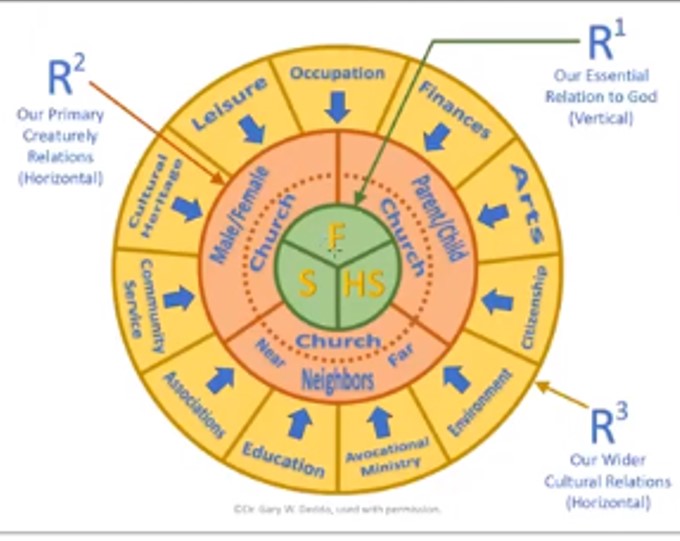
Photo Compliments: Dr. Gary Deddo
Grace To A Runaway Slave!
Filed under: Bible, By Ann Vinson, Christian Living, Christianity, Church, Discipleship, Evangelism, Faith, GCI Windsor Mill, Maryland, God, God Father Son and Spirit, God the Trinity, God's love, good news, Gospel, Grace Communion Baltimore, Grace Communion International, identity in Christ, Inclusion, Jesus Christ, Liturgy, Love, Ministry, New Life Fellowship Of Baltimore Maryland, New Life Fellowship Of Windsor Mill, MD., On Mission with Christ, Participation with Christ, Participation with Jesus, Perichoresis, Prayer, relationship with God, Relationships, Sermons, The Church, The Dance and Dream of the Trinity, The Father, Son and Holy Spirit, The Gospel Project, The Holy Spirit, The Plan of Adoption, Timothy Brassell, Trinity, Uncategorized, union, Union In Christ, Union with Christ, Witness, Witnessing to God, Witnessing to Jesus, Worship, Worshiping God, Worshipping Jesus | Tags: Active Participation With Jesus, Adoption, Christian Living, Christian Reconciliation, Christian Unity, Christianity, Cross, Cross of Christ, Discipleship, Duty, father, former slaves to sin, GCI Baltimore, God Father Son and Spirit, God in Flesh, God Incarnate, God Likes You, God the Trinity, God's Faith, God's Faithfulness, God's Gift, God's Grace, God's Healing, God's Hope, God's Humility, God's love, God's Love And Life, God's Mercy, God's Mission, God's Patience, God's Power, God's Presence, God's Salvation, God's Unconditional Love, Gospel, Gospels, grace alone through faith alone in Christ alone, Grace Communion International, Grace To a Runaway Slave, heralds of reconciliation, Humanity Uplifted, Humility, Humility of God, Humility of Jesus, Incarnation, Included In Christ, Jesus, Jesus Christ, Jesus Is God's Love Revealed, Jesus Is God's Salvation, Jesus Is Our Salvation, Jesus is the way the truth and the life, jesus ministry, JESUS THE CHRIST, Jesus Transforms, Jesus' Reconciliation, Jesus' Authority, Jesus' Presence, Jesus: True God True Man, law, Love, Obligation, Oneness, Oneness in Christ, Outpouring Of The Holy Spirit, Participation with Jesus, Participation with Jesus Christ, Pastor Timothy Brassell of New Life Baltimore, Perichoresis, philemon, Philemon 8-22, Purpose, Racial, Racial Reconciliation, Receiving God's Love, Reconciled, Reconciled To God, Reconciliation, Reconciliation to Jesus, Reconciliation with God, Relationship With Jesus, Relationships, Salvation, Salvation By Grace, Salvation By Grace Alone, Salvation In Christ, sameness, Sharing God's Love With Others, Slaves, Spiritual Maturity, The Father, The Father's Love, The Father-Son-and-Spirit-God, The Holy Spirit, The Holy Spirit Of Love, The Holy Spirit's Power, Trinitarian Theology, Trinity, Unconditional, unconditional acceptance, Unconditional Love, Union and Communion, Union With Jesus, Union with Jesus Christ, Wholeness in Christ, Worship, Worshipping Jesus
Leave a comment 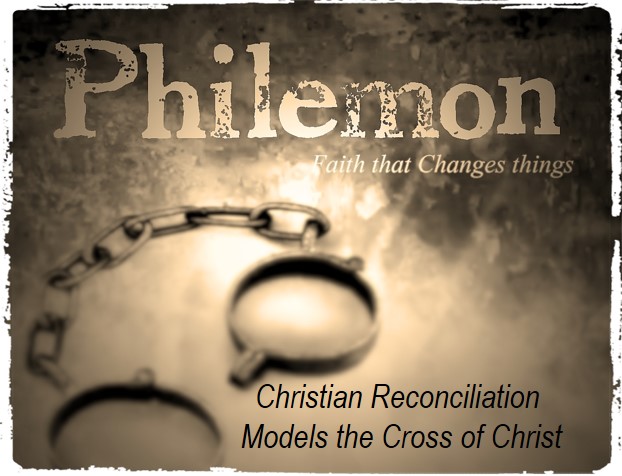
Part A:
Part B:
Full Message:
Bible Verse: Philemon 8-22
Introduction:
In his short letter to Philemon, Paul made an appeal for oneness and unity in Jesus Christ. He placed himself in the middle of a broken relationship between Philemon, a slave master, and Onesimus, a runaway slave. Contained within this story of reconciliation, grace, and de-exaltation is the gospel itself. A slave himself, Paul urged Philemon to consider love—not law, duty, or obligation. His instruction to receive Onesimus as a brother, not a slave, challenges us to evaluate our pride and align our perspectives of others with Christ’s perspective. In this letter, Paul helps us reflect on the racial, radical, and redemptive reconciliation Christ offers.
“The salvation secured by Christ in the gospel is more comprehensive than justification alone: it brings repentance, wholeness, love for brothers and sisters in the Christian community.” –D. A. Carson
Outline:
1. Appealing to Love, Not Obligation (Philem. 8-14)
Like Philemon, love is to be our motivation for obeying God in all things. We can easily fall into the trap of obeying God primarily out of obligation. We obey because we have to. We know we should. While this is certainly true—God has given us commands, not suggestions in Scripture— obligation cannot be what prompts our obedience. Love must be.
Jesus said, “If you love me, you will keep my commands (John 14:15). Love fuels obedience; obedience verifies love. A steady diet of love fattens obedience, but obligation will starve it at some point. This is why Jesus fused the two together. Our love for God produces obedience that pleases Him and also brings Him glory as the world around us sees us joyfully obey.
2. Accepting a Brother, Not a Slave (Philem. 15-17)
“Love all men, even your personal enemies, not because they are brothers but in order that they may be brothers, in order that you may always burn with brotherly love, whether for one already become a brother or for an enemy so that by [your] loving he may become a brother.” –Augustine
3. Anticipating Grace, Not Duty (Philem. 18-22)
If we as Christians only obey God out of a sense of obligation or duty, then we commit the sin of the Pharisee: righteousness without right-heartedness. God desires that our obedience come from the heart.
After committing adultery with Bathsheba, David discovered, “The sacrifice pleasing to God is a broken spirit. You will not despise a broken and humbled heart, God” (Ps. 51:16-17). God cannot overlook a broken heart. He collects them, tends and mends them. Duty is a harsh master, but through the cracks of a broken spirit, the Holy Spirit enters into us and distributes grace to every limb. Paul had a broken heart when he penned his letter—a heart that Philemon could heal by demonstrating the grace of Christ to Onesimus. “Refresh my heart in Christ,” he instructed (Philem. 20).
Theological Theme:
Christian reconciliation models the cross of Christ.
Contained within this story of reconciliation, grace, and de-exaltation is the gospel itself – a gospel that regardless of background, skin color, class, or cultural difference unites God’s [Father-Son-Holy Spirit] family members and demonstrates the reconciling power of the cross. Christian unity is not about sameness; it’s about oneness.
Christ Connection:
When Paul appealed to Philemon on behalf of the runaway slave Onesimus, he placed himself in the middle of their broken relationship. In order to make peace, he volunteered to pay Onesimus’ debt. Through this action, Paul modeled Jesus Christ, who is the peacemaker between God and sinful humanity. By volunteering to pay our debt, Jesus reconciled us to God and to each other.
Missional Application:
God, through his Holy Spirit, calls us to live as peacemakers who reflect the heart of our crucified Savior.
Conclusion:
Jesus once promised that He would “go away and prepare a place for you” (John 14:3).
After the toils of life are over, God will declare your emancipation also. Like Paul, you will escape “this body of death” (Rom. 7:24) and abscond to your mansion in glory—a home where “neither moth nor rust destroys” and “where thieves don’t break in and steal” (Matt. 6:20). This future home is what should motivate us today. Because we anticipate entering Christ’s presence and basking in His love and grace as His brothers and sisters, we give to others today what we will receive then. It is the least we, all former slaves to sin who are now one family in Christ, can do for one another.
“We have but one leading aim, to which it is our deliberate and unreserved desire that every thing else in which we are concerned may be subordinate and subservient—in a word, that we are devoted to the Lord, and have by grace been enabled to choose him, and to yield ourselves to him, so as to place our happiness in his favor, and to make his glory and will the ultimate scope of all our actions.” –John Newton
Photo Compliments:
The Preeminence Of Jesus Christ!
Filed under: Bible, By Richard Andrews, Christian Living, Christianity, Church, Discipleship, Evangelism, Faith, GCI Windsor Mill, Maryland, God, God Father Son and Spirit, God the Trinity, God's love, good news, Gospel, Grace Communion Baltimore, Grace Communion International, identity in Christ, Inclusion, Jesus Christ, Liturgy, Love, Ministry, New Life Fellowship Of Baltimore Maryland, New Life Fellowship Of Windsor Mill, MD., On Mission with Christ, Participation with Christ, Participation with Jesus, Pentecost, Perichoresis, Prayer, relationship with God, Relationships, Scripture Paraphrases, Sermons, The Church, The Dance and Dream of the Trinity, The Father, Son and Holy Spirit, The Gospel Project, The Holy Spirit, The Plan of Adoption, Timothy Brassell, Trinity, Uncategorized, union, Union In Christ, Union with Christ, Witness, Witnessing to God, Witnessing to Jesus, Worship, Worshiping God, Worshipping Jesus | Tags: Active Participation With Jesus, Adoption, All Are Included In Christ, Christian Living, Christianity, Church, Colossians 1, Colossians 1: 15-23, Cross, Discipleship, father, focused on Jesus Christ, Fruit of God's Grace, GCI Baltimore, God - Father-Son-and Holy Spirit, God Father Son and Spirit, God in Flesh, God Incarnate, God Is Love, God Likes You, god the father, God the Trinity, God's Faith, God's Faithfulness, God's Gift, God's Grace, God's Healing, God's Hope, God's Humility, God's love, God's Love And Life, God's Mercy, God's Mission, God's Patience, God's Power, God's Presence, God's Unconditional Love, Gospel, grace alone through faith alone in Christ alone, Grace Communion International, heralds of reconciliation, Humanity Uplifted, Humility, Humility of God, Humility of Jesus, identity in Christ, Incarnation, Included In Christ, Jesus, Jesus Christ, Jesus Is God's Love Revealed, Jesus is the way the truth and the life, jesus ministry, JESUS THE CHRIST, Jesus the preeminent one, Jesus Transforms, Jesus' Authority, Jesus' Cross, Jesus' Presence, Jesus: True God True Man, Love, Outpouring Of The Holy Spirit, Participation with Jesus, Participation with Jesus Christ, Pastor Timothy Brassell of New Life Baltimore, Perichoresis, preeminent, Purpose, Receiving God's Love, Reconciled, Reconciled To God, Reconciliation, Reconciliation to Jesus, Reconciliation with God, Relationship With Jesus, Relationships, resurrection of Jesus, Salvation, Salvation By Grace, Salvation By Grace Alone, Sharing God's Love With Others, Spiritual Maturity, Spirituality, The Father, The Father's Love, The Father-Son-and-Spirit-God, The Holy Spirit, The Holy Spirit Of Love, The Preeminence Of Jesus Christ, Trinitarian Theology, Trinity, Unconditional, unconditional acceptance, Unconditional Love, Union and Communion, Union With Jesus, Union with Jesus Christ, Wholeness in Christ, Worship
Leave a comment 
Part A:
Part B:
Full Message:
Bible Verses: Colossians 1:15-24 2: 3
Introduction:
What is the outlook you have in your life? Do you see Jesus?
How and what we see is so important for the life we live today, the relationships we have, and to the words we speak today. Our outlook/view is so important to our walk, ministry and testimony.
“We should be focused on The Father, Son and Holy Spirit and The God who is revealed in Jesus”
“We should be (given the context of the lives that we live today, given all things that we’re going through, through the tears, celebration, through the relationships, through the work and through the worry) focused on Jesus, who is supreme, who is central, and who is sufficient in and for all things, and for all times.”
Paul wrote the letter to the church at Colossae when he learned through Epaphras that heretical teachings were running through the church. Paul’s letter pointed the church to the person and work of Jesus Christ. The cross of Christ is not merely a theory for theologians to ponder; it’s a real-life, realtime reality that heals, restores, and reconciles. Through the cross, Christ reconciled us to the Father, reconciles all things in Himself, and reconciles us to one another.
Paul focuses on the reconciling work of Jesus and focuses our attention on reconciling in 3 different areas in our lives:
1. Christ is preeminent in His reconciling all things. (Col. 1:15-20).
2. Christ is preeminent in His reconciling us to God. (Col. 1:21-23).
3. Christ is preeminent in His reconciling us to one another. (Col. 1:24–2:3).
Theological Theme:
Through His work on the cross, Christ is restoring the world and reconciling us to God [Father-Son-Holy Spirit] and to one another.
Christ Connection:
Jesus is the preeminent one. Growth and maturity are firmly established on that precept.
“For everywhere He is first; above first; in the Church first; for He is the Head; in the Resurrection first.” –John Chrysostom
In prison, Paul encouraged God’s people by proclaiming the magnificence of Christ—His identity as God’s Son and His work on the cross to reconcile us to God. Christian growth and maturity does not take place through moving beyond the gospel to other Bible teaching but through continually refocusing our attention on Christ—who is the focus of the Scriptures and the head of the church
Missional Application:
God, through His Holy Spirit, calls us, as those who have been reconciled to God, to be heralds of reconciliation to the world.
Conclusion:
Just as Christ is preeminent in His reconciling creation, He is preeminent in His reconciling us to God, which He accomplished through taking on flesh and then laying His life down on our behalf. Because of the blood He shed on the cross, we are no longer alienated, hostile, and evil. That is the old person who has been put to death with Christ on the cross. In that person’s place, we have received new life, new identity, in Christ. And it is this new person who has been declared holy, faultless, and blameless whom Christ presents to the Father. This is the fundamental change of Christ’s reconciliation. He has undone sin’s curse. He has restored that which was broken. He has made right that which was wrong. He, not us, has accomplished this work of reconciliation. And this is why He receives all the glory of our salvation.
By the cross, Christians enter into a personal relationship with the Man of Nazareth who, being fully God and fully man, suffered with us, suffered for us, and suffers through us as we “weep with those who weep” (Rom. 12:15). The beams of the cross point us upward (Christ), downward (grounded in the faith), and outward (loving others). Be careful to keep those three beams together, for if we become deficient in one, the others will fall apart. May we proclaim a whole redemption through a whole Christ to a world that is not yet whole.
Photo Compliments: